$42.00
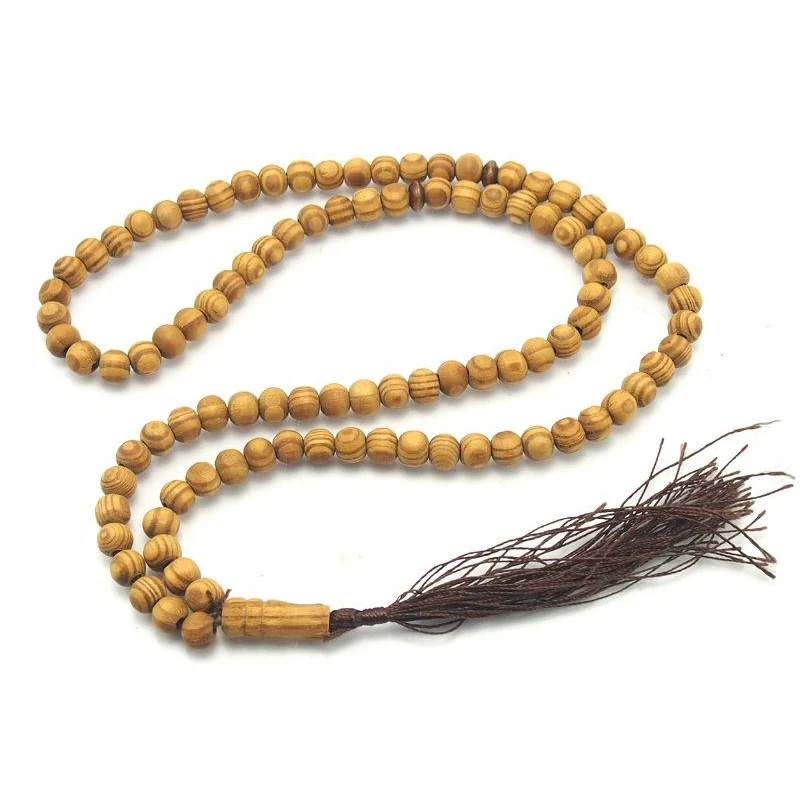
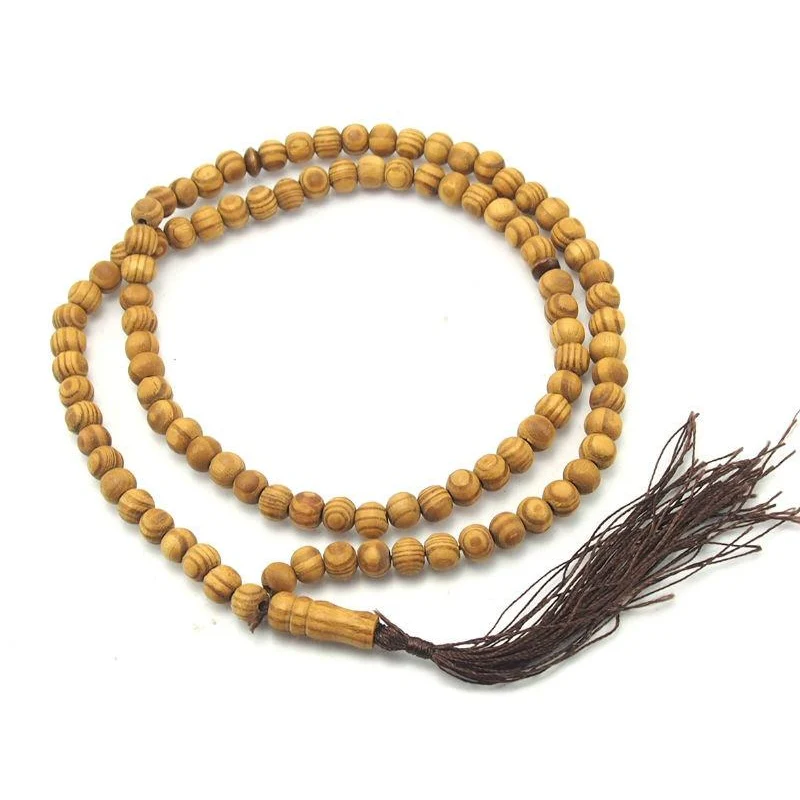
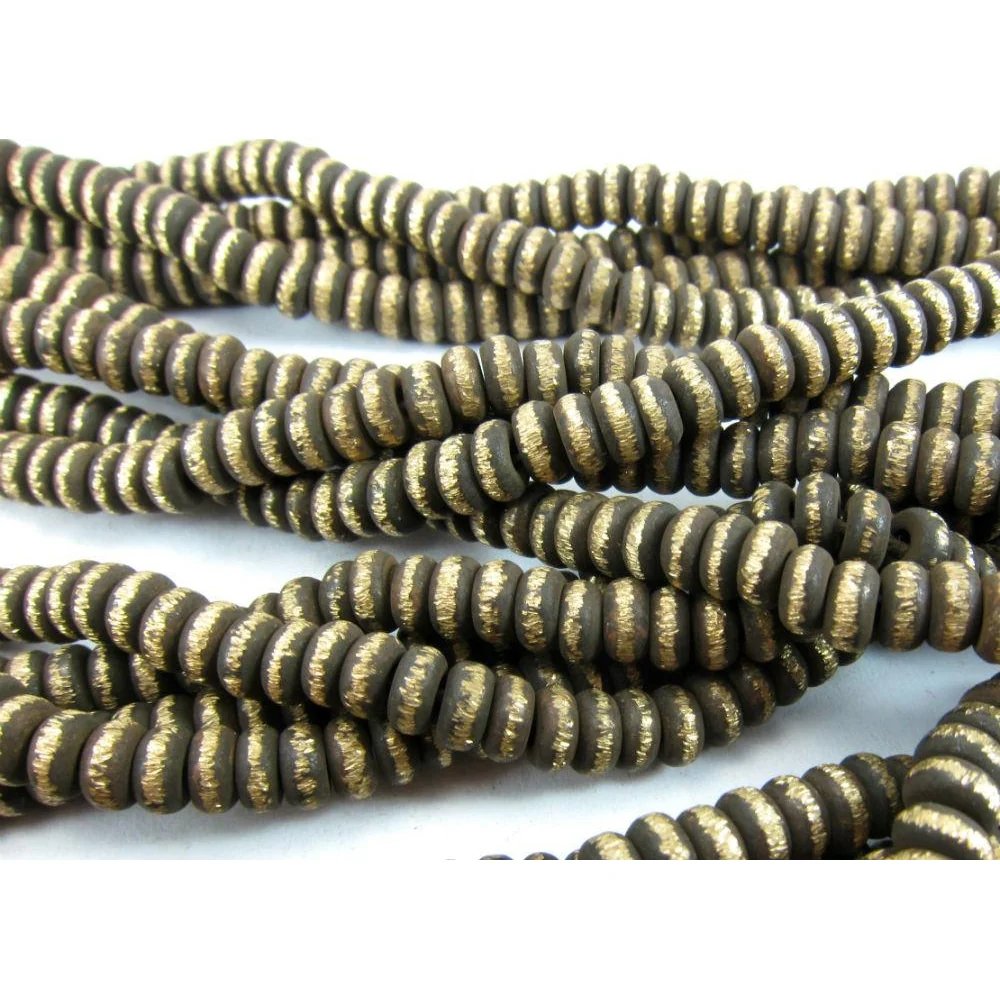
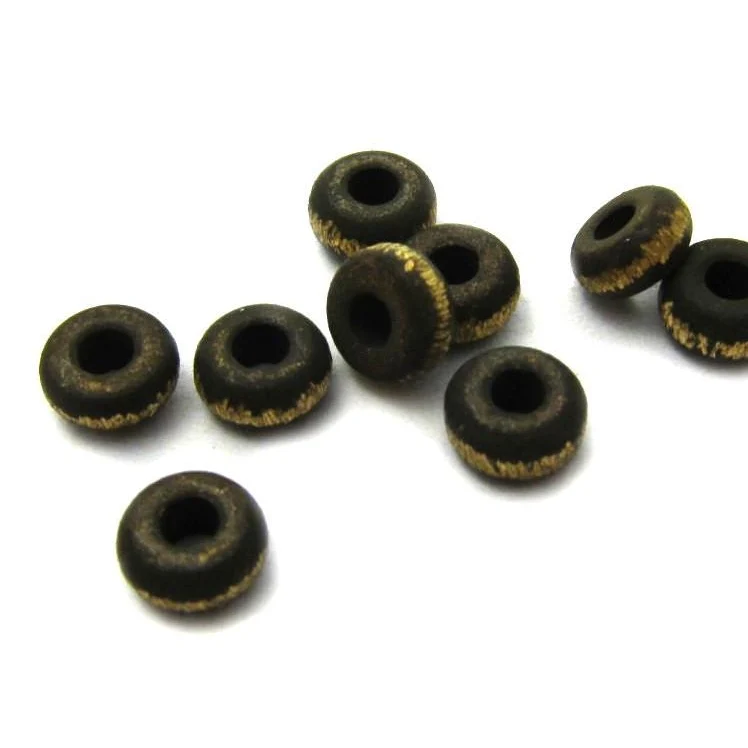
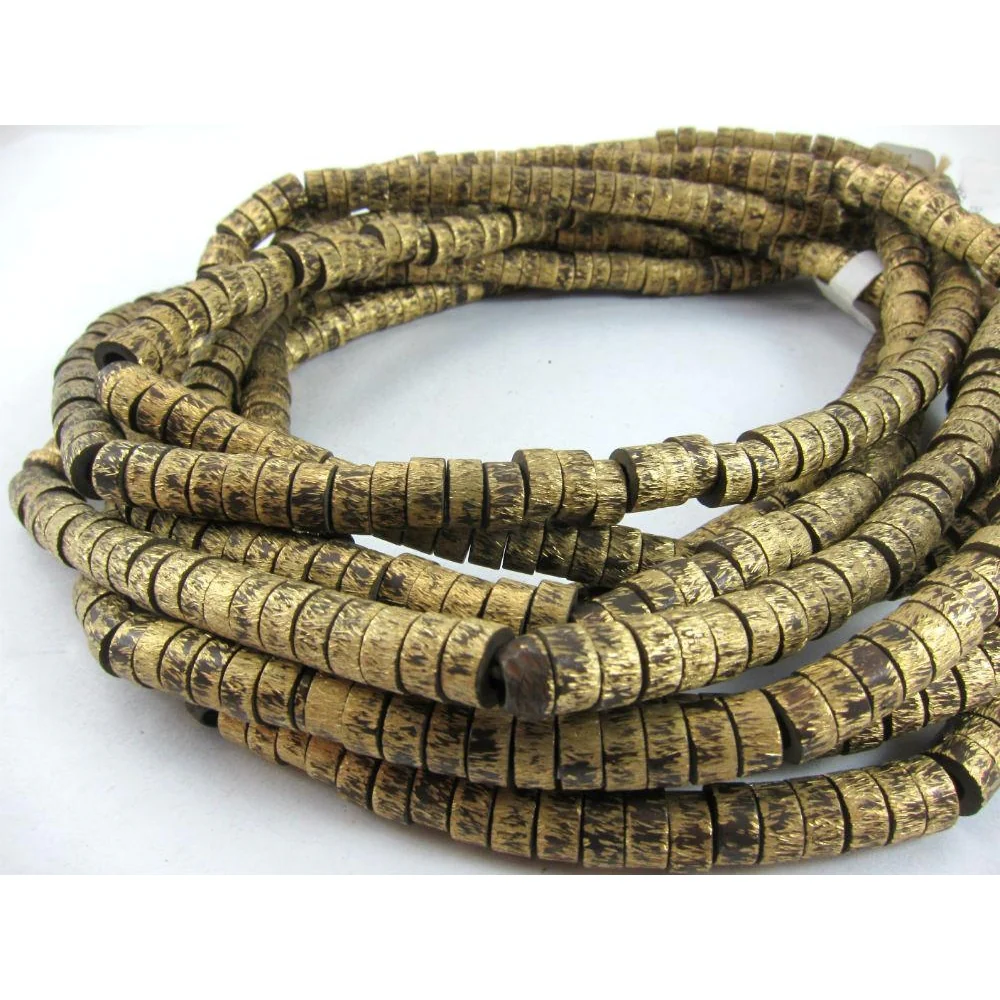
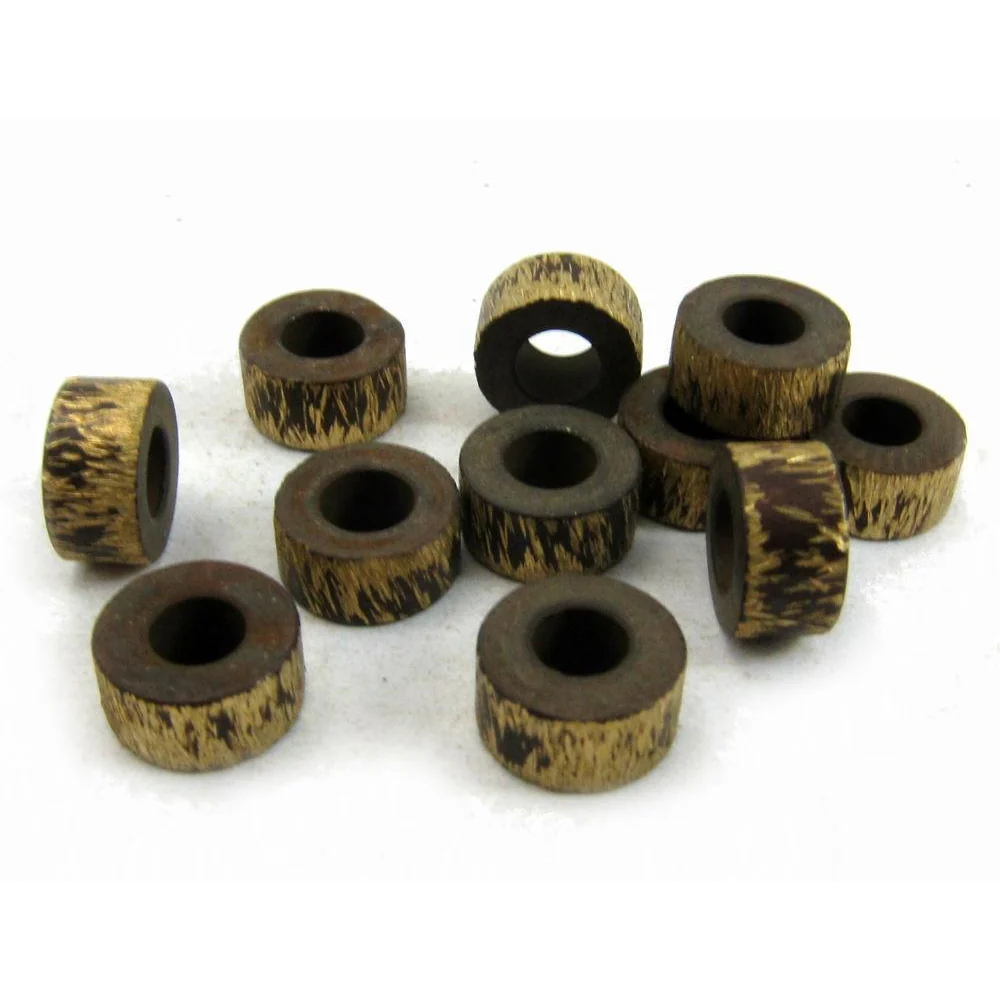
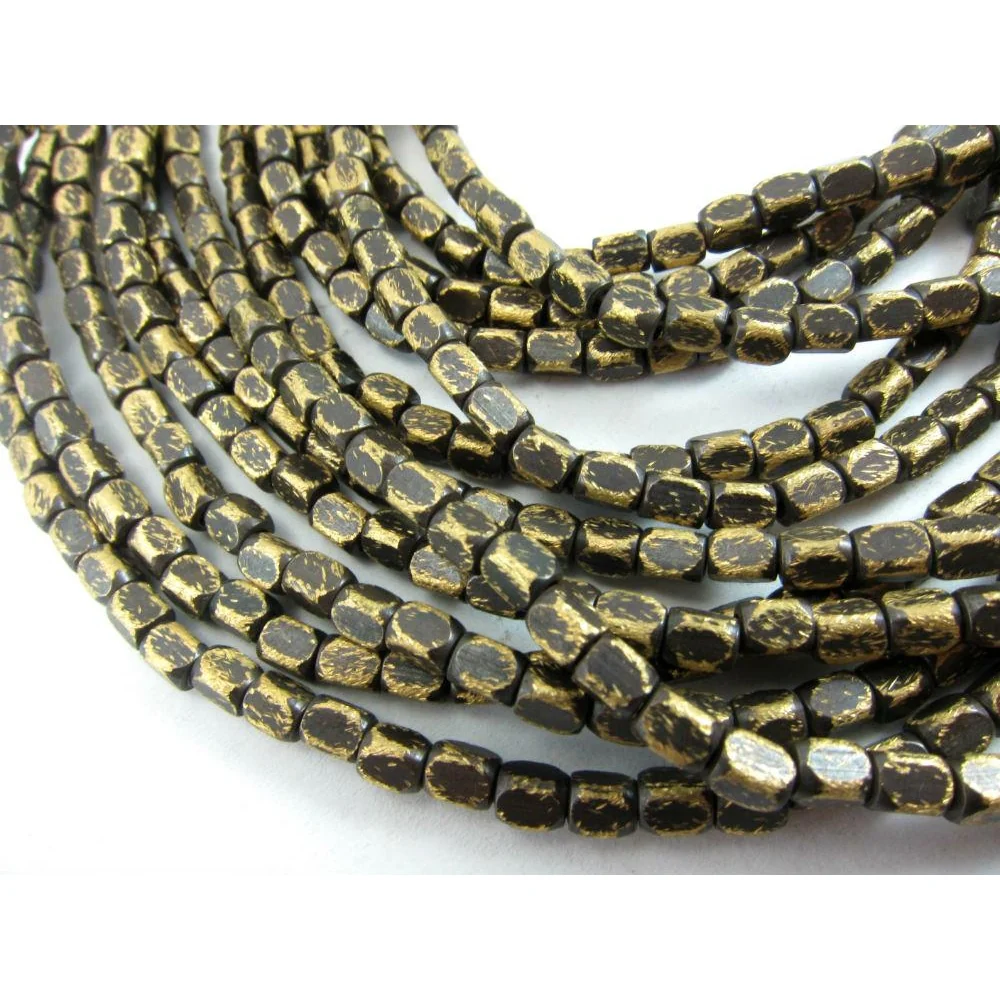
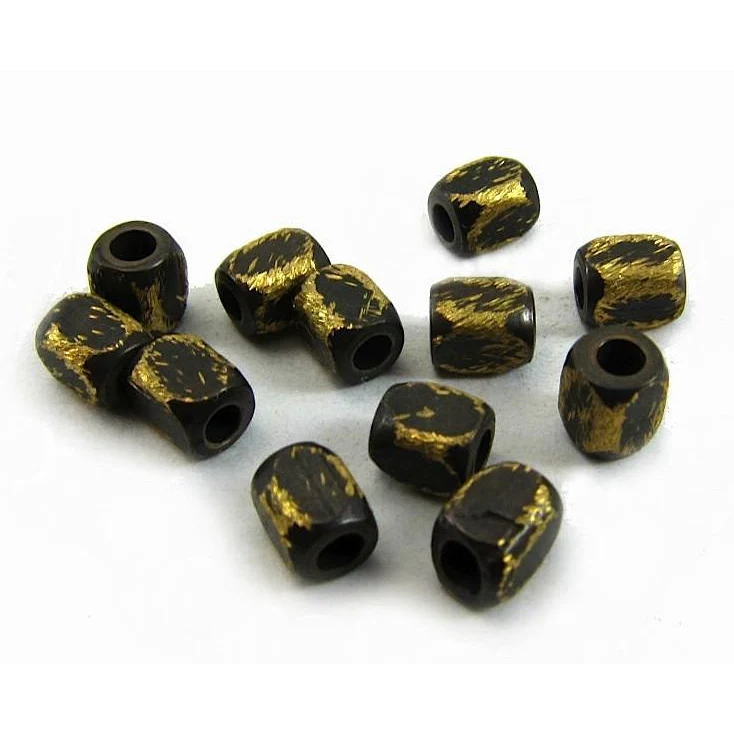
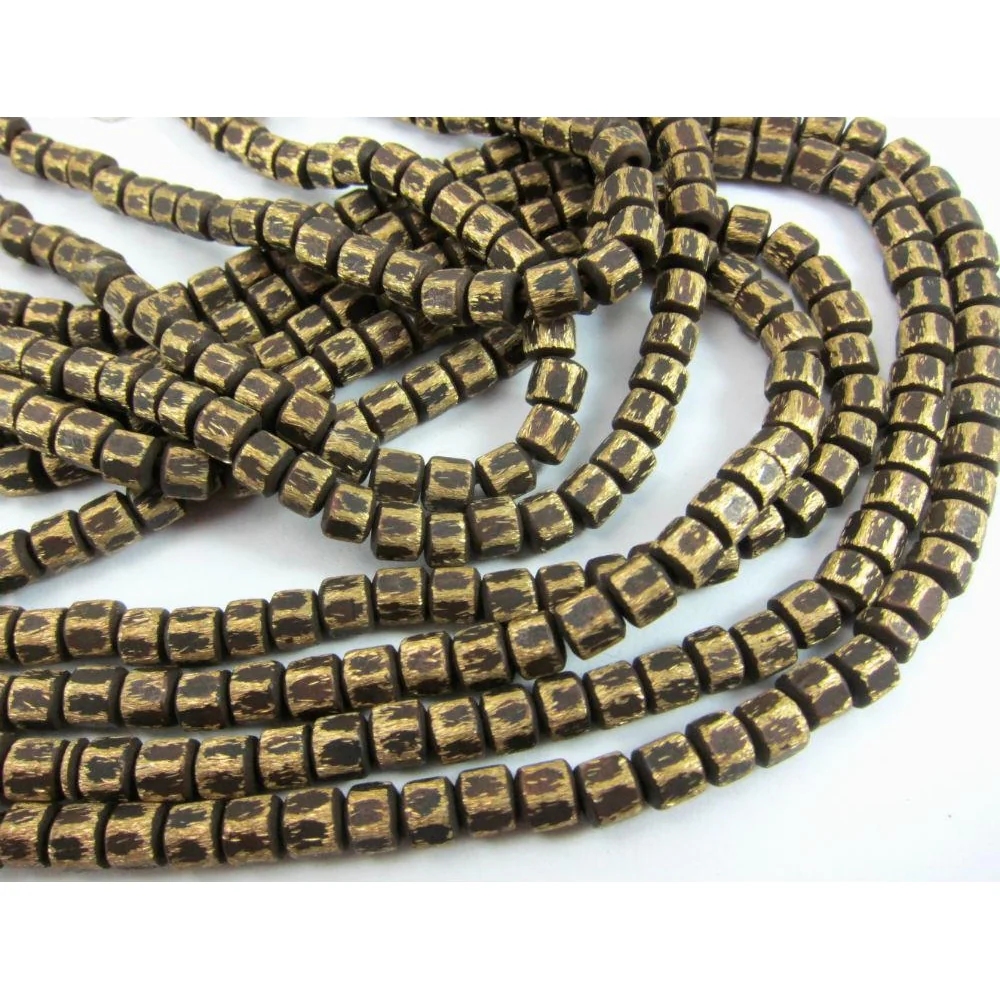
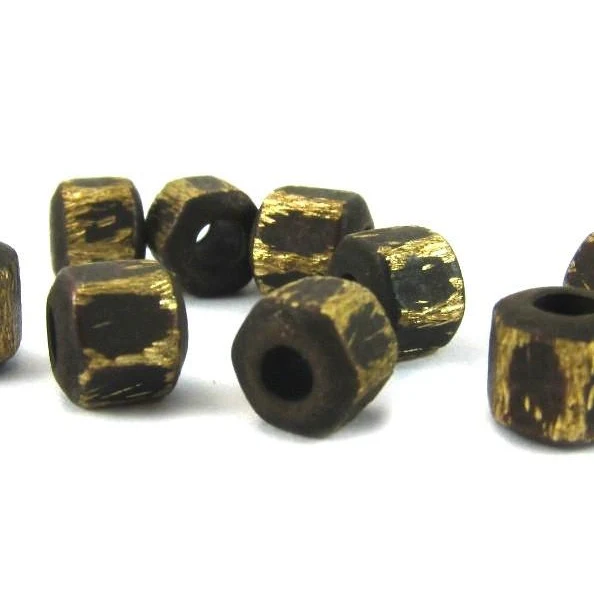
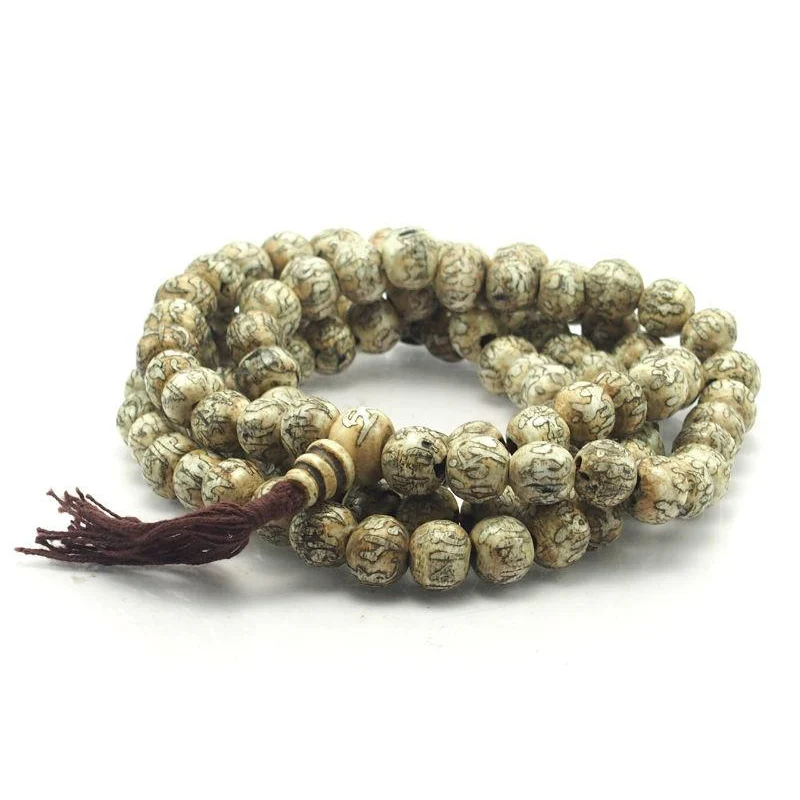
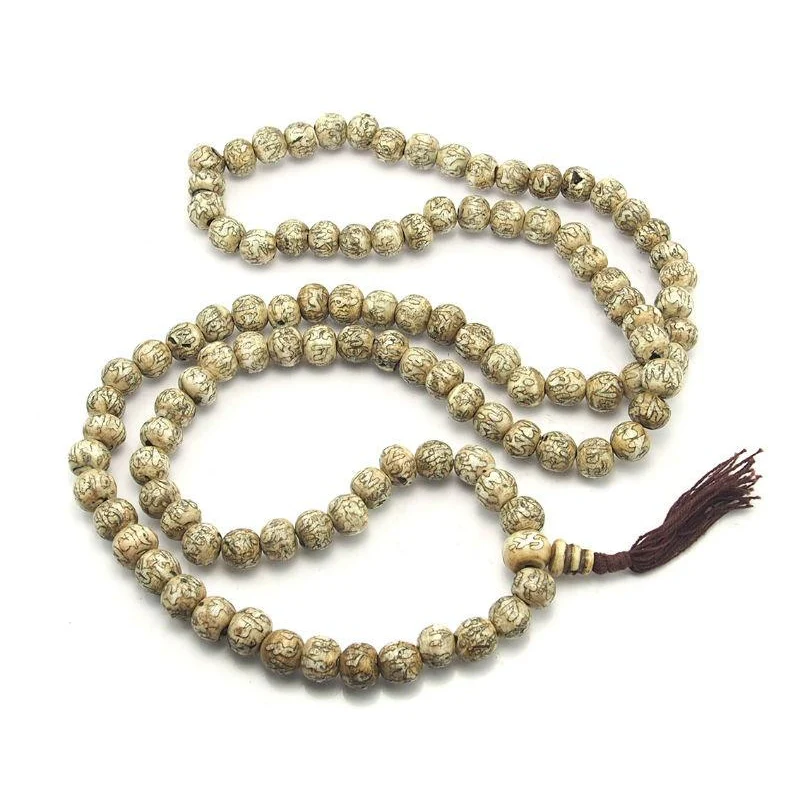
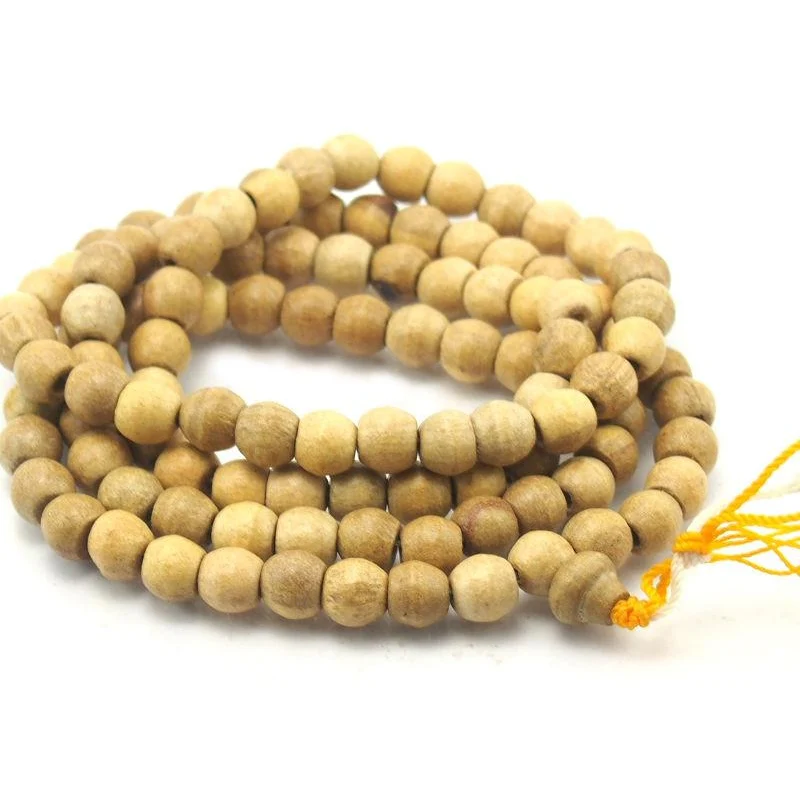
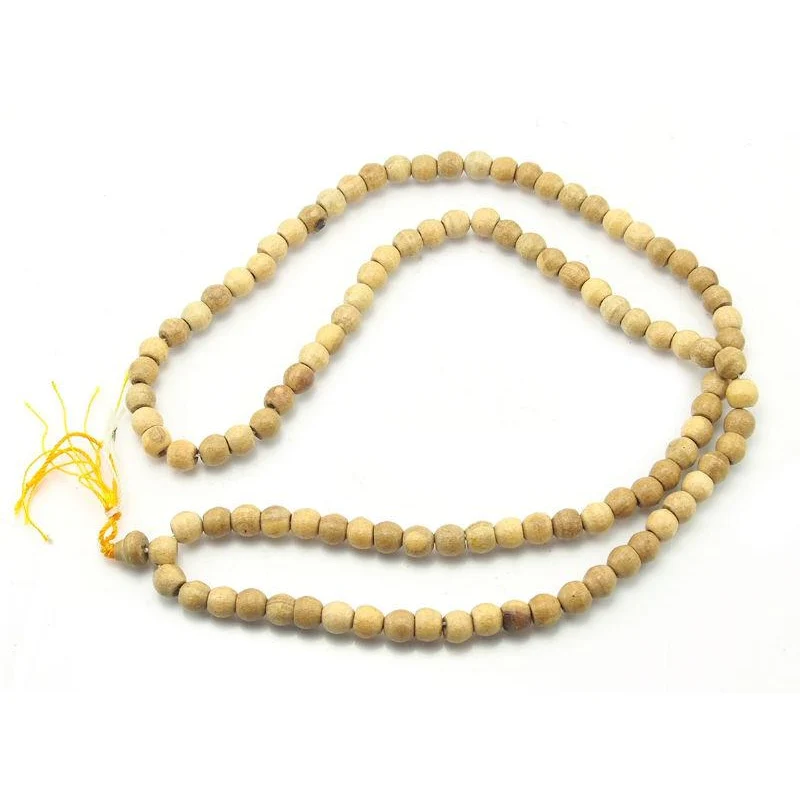
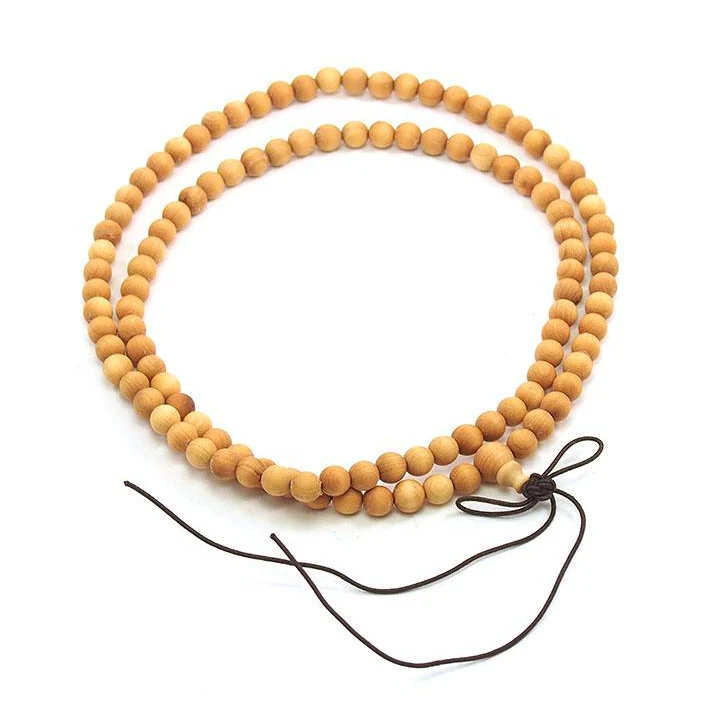
Blonde Sandalwood 6mm Mala from Southwest Australia—
$42.00
The Story
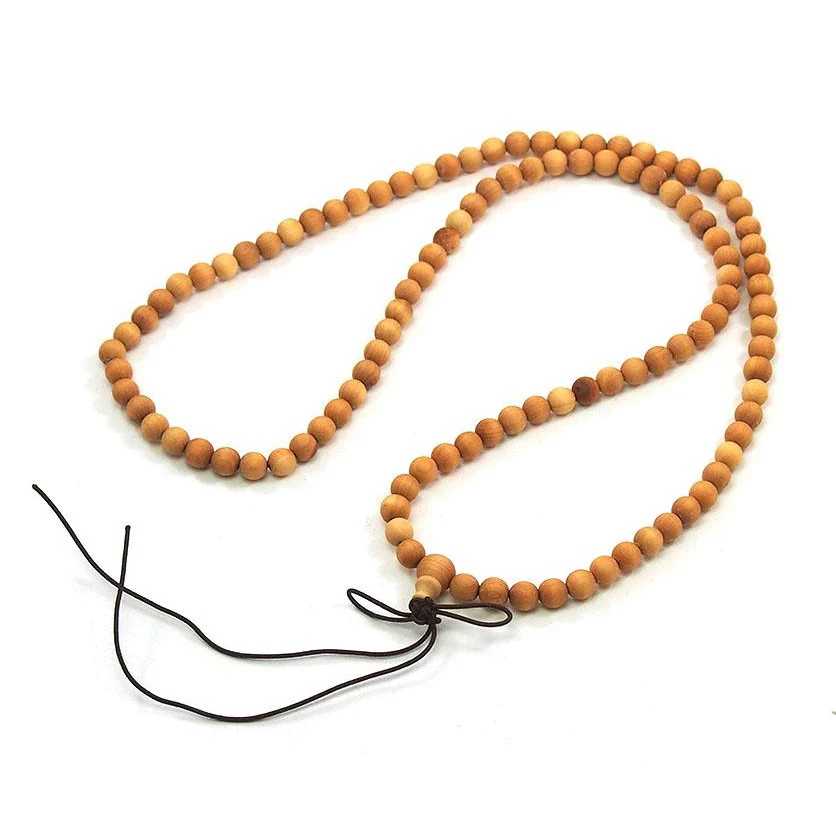
- Blonde Sandalwood 6mm Mala from Southwest Australia
- Approx. 26" long
- Strung on stretch cord
- Santalum Spicatum, the Australian Sandalwood, is a tree native to semiarid areas at the edge of Southwest Australia. It is traded as Sandalwood, and its valuable oil has been used as an aromatic, a medicine, and a food source. S. Spicatum is one of four high-value Santalum species occurring in Australia.
- It is one of four species of the family Santalaceae to occur in Western Australia. It has a similar distribution to Quandong (Santalum Acuminatum), and is a hemiparasite requiring macronutrients from the roots of hosts. It has a shrubby to small tree habit, but can grow to 6 m and is tolerant of drought and salt. The foliage is grey-green in colour. The fruit of S. spicatum is spherical, about 3 cm in diameter, and orange in color. An edible kernel with a hard shell forms the bulk of the fruit; the shell is smoother than S. Acuminatum's deeply pitted surface. Germination occurs during warm and moist conditions.
- Origin is Southwest Australia
- Santalum Spicatum, the Australian Sandalwood, is a tree native to semiarid areas at the edge of Southwest Australia. It is traded as Sandalwood, and its valuable oil has been used as an aromatic, a medicine, and a food source. S. Spicatum is one of four high-value Santalum species occurring in Australia.
- It is one of four species of the family Santalaceae to occur in Western Australia. It has a similar distribution to Quandong (Santalum Acuminatum), and is a hemiparasite requiring macronutrients from the roots of hosts. It has a shrubby to small tree habit, but can grow to 6 m and is tolerant of drought and salt. The foliage is grey-green in colour. The fruit of S. spicatum is spherical, about 3 cm in diameter, and orange in color. An edible kernel with a hard shell forms the bulk of the fruit; the shell is smoother than S. Acuminatum's deeply pitted surface. Germination occurs during warm and moist conditions.
- Origin is Southwest Australia
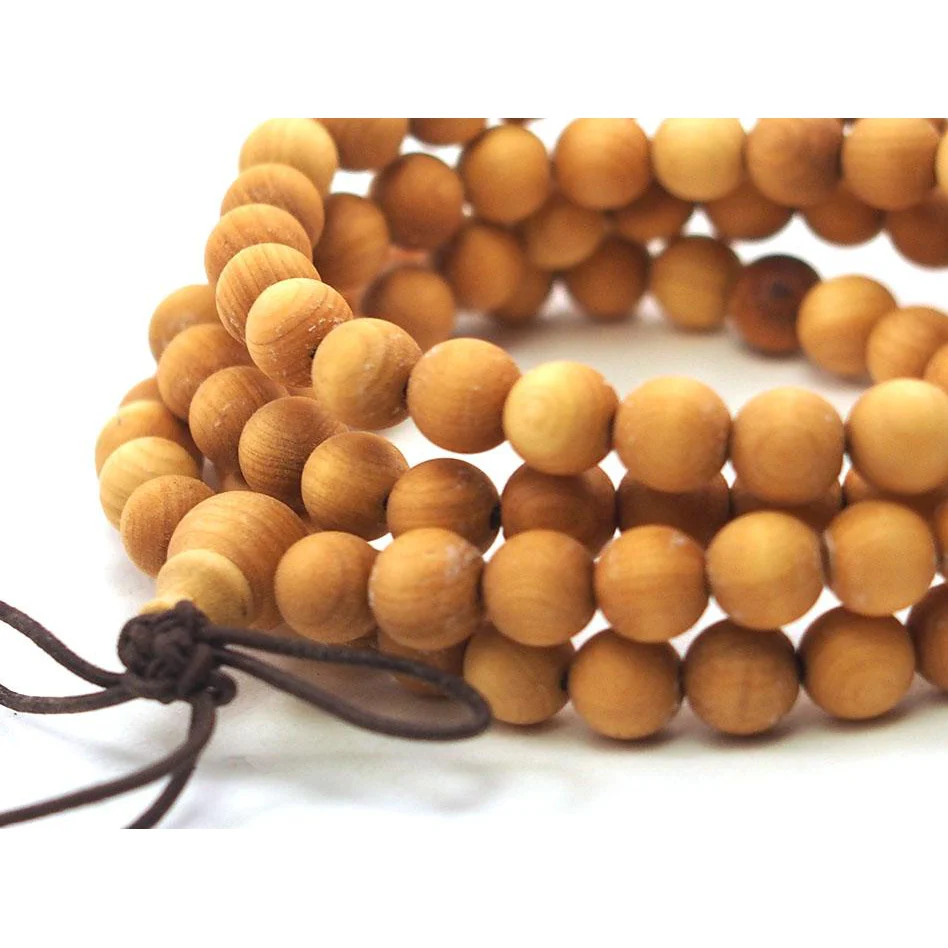
Details & Craftsmanship
Every detail has been carefully considered to bring you the perfect product.
Details & Craftsmanship
Every detail has been carefully considered to bring you the perfect product.
Description
- Blonde Sandalwood 6mm Mala from Southwest Australia
- Approx. 26" long
- Strung on stretch cord
- Santalum Spicatum, the Australian Sandalwood, is a tree native to semiarid areas at the edge of Southwest Australia. It is traded as Sandalwood, and its valuable oil has been used as an aromatic, a medicine, and a food source. S. Spicatum is one of four high-value Santalum species occurring in Australia.
- It is one of four species of the family Santalaceae to occur in Western Australia. It has a similar distribution to Quandong (Santalum Acuminatum), and is a hemiparasite requiring macronutrients from the roots of hosts. It has a shrubby to small tree habit, but can grow to 6 m and is tolerant of drought and salt. The foliage is grey-green in colour. The fruit of S. spicatum is spherical, about 3 cm in diameter, and orange in color. An edible kernel with a hard shell forms the bulk of the fruit; the shell is smoother than S. Acuminatum's deeply pitted surface. Germination occurs during warm and moist conditions.
- Origin is Southwest Australia
- Santalum Spicatum, the Australian Sandalwood, is a tree native to semiarid areas at the edge of Southwest Australia. It is traded as Sandalwood, and its valuable oil has been used as an aromatic, a medicine, and a food source. S. Spicatum is one of four high-value Santalum species occurring in Australia.
- It is one of four species of the family Santalaceae to occur in Western Australia. It has a similar distribution to Quandong (Santalum Acuminatum), and is a hemiparasite requiring macronutrients from the roots of hosts. It has a shrubby to small tree habit, but can grow to 6 m and is tolerant of drought and salt. The foliage is grey-green in colour. The fruit of S. spicatum is spherical, about 3 cm in diameter, and orange in color. An edible kernel with a hard shell forms the bulk of the fruit; the shell is smoother than S. Acuminatum's deeply pitted surface. Germination occurs during warm and moist conditions.
- Origin is Southwest Australia