Original: $950.00
-70%$950.00
$285.00The Story
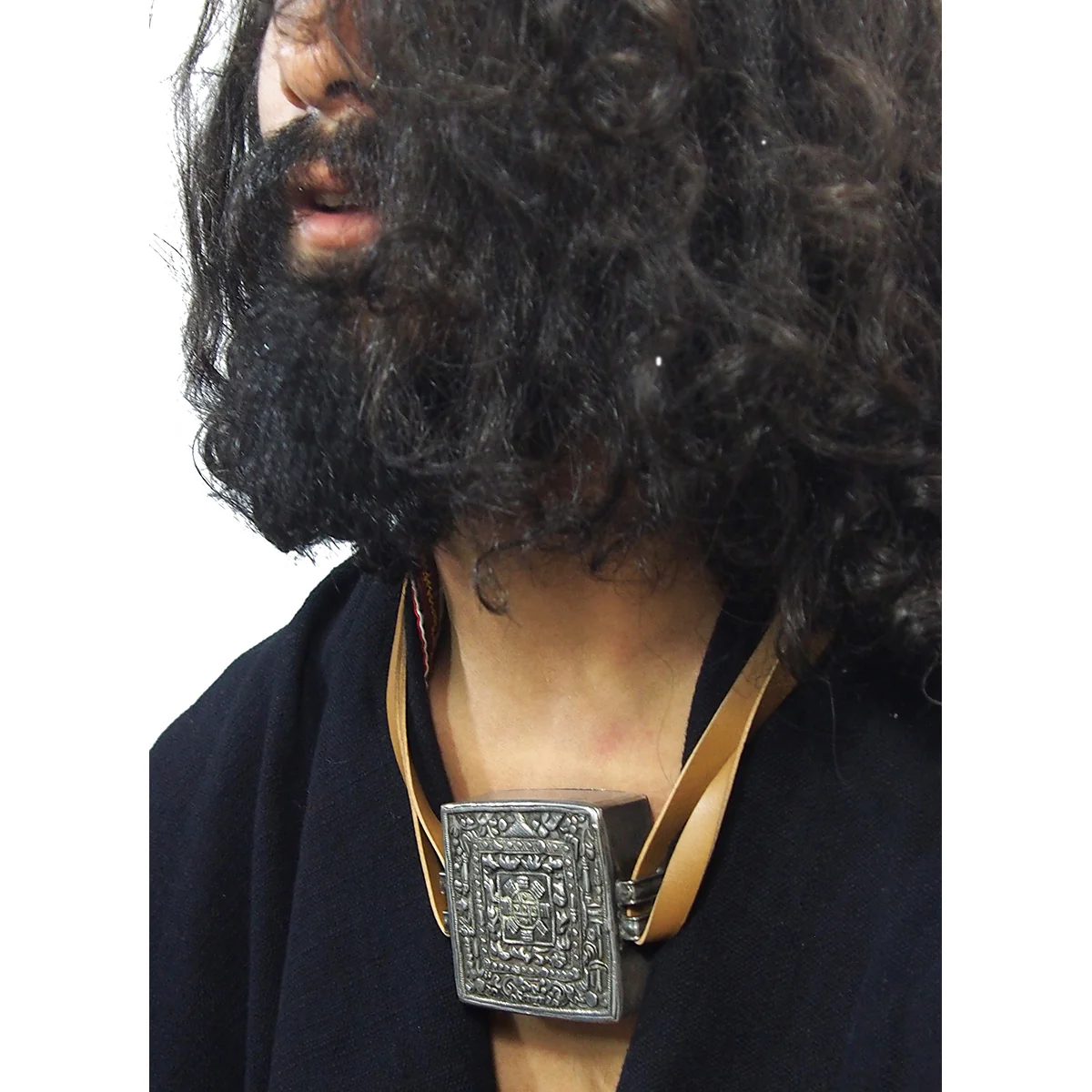
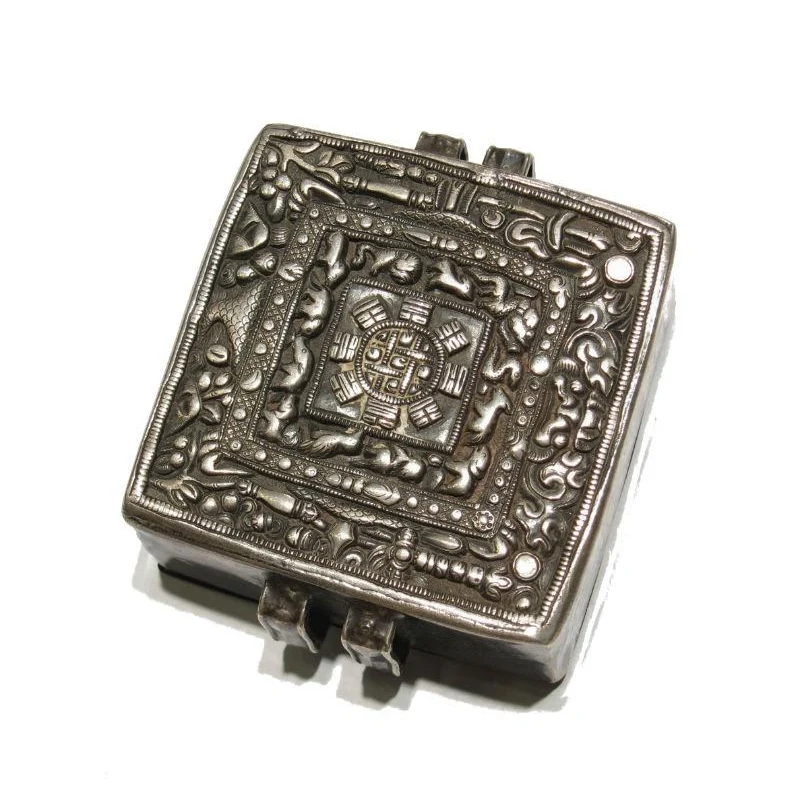
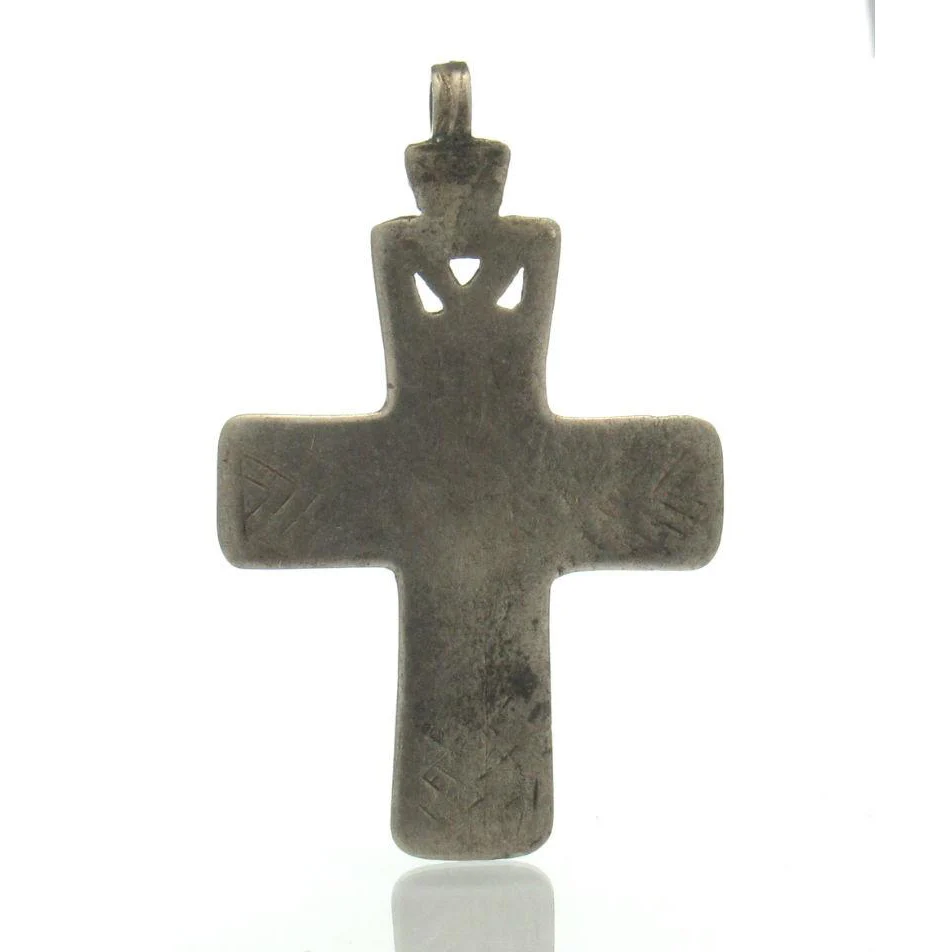
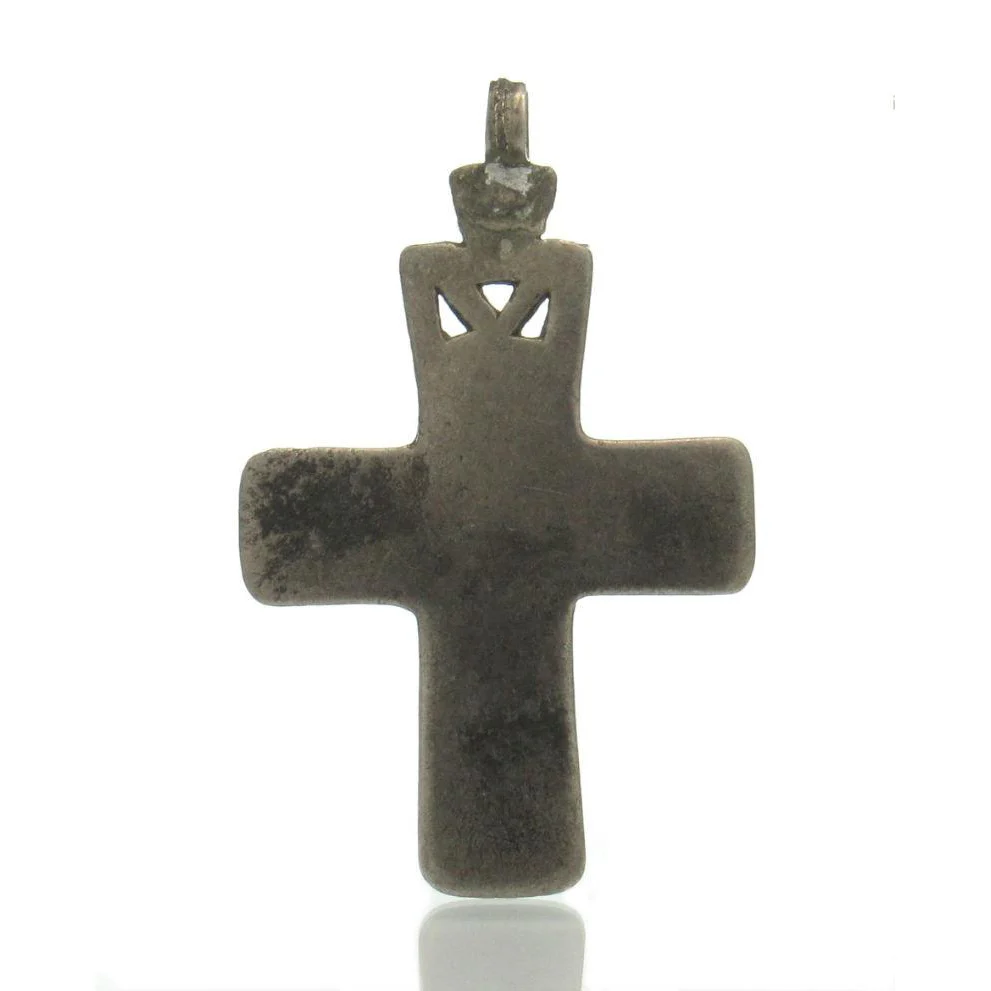
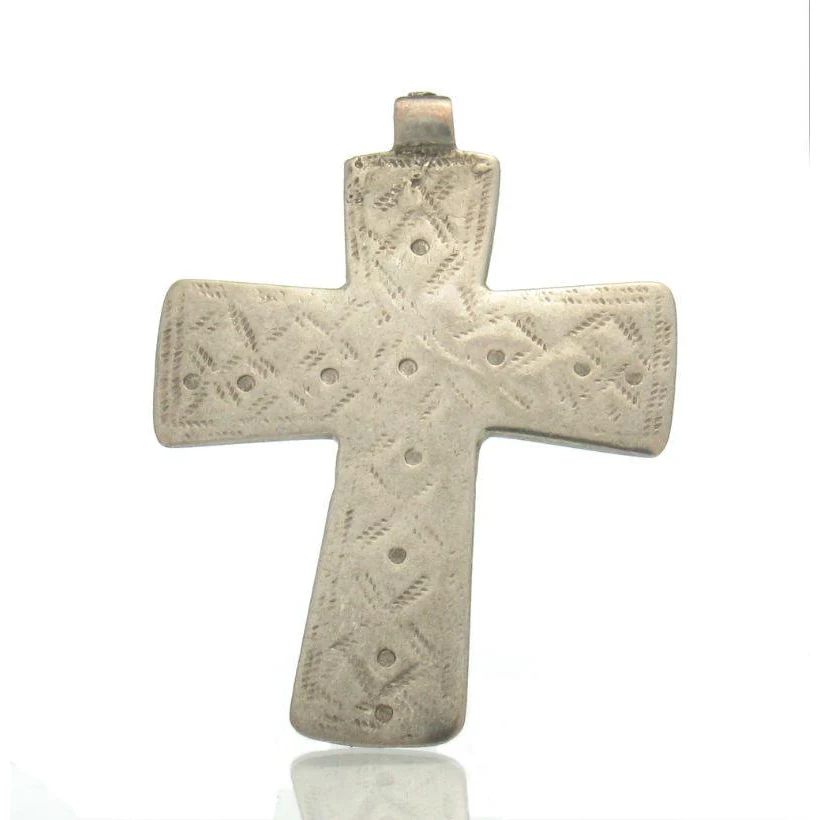
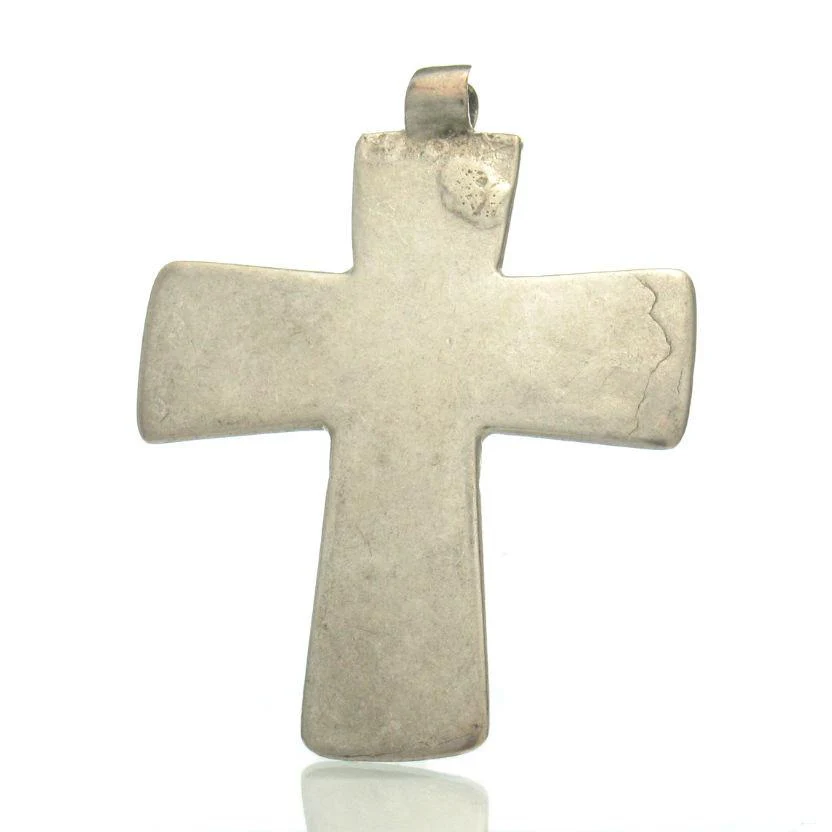
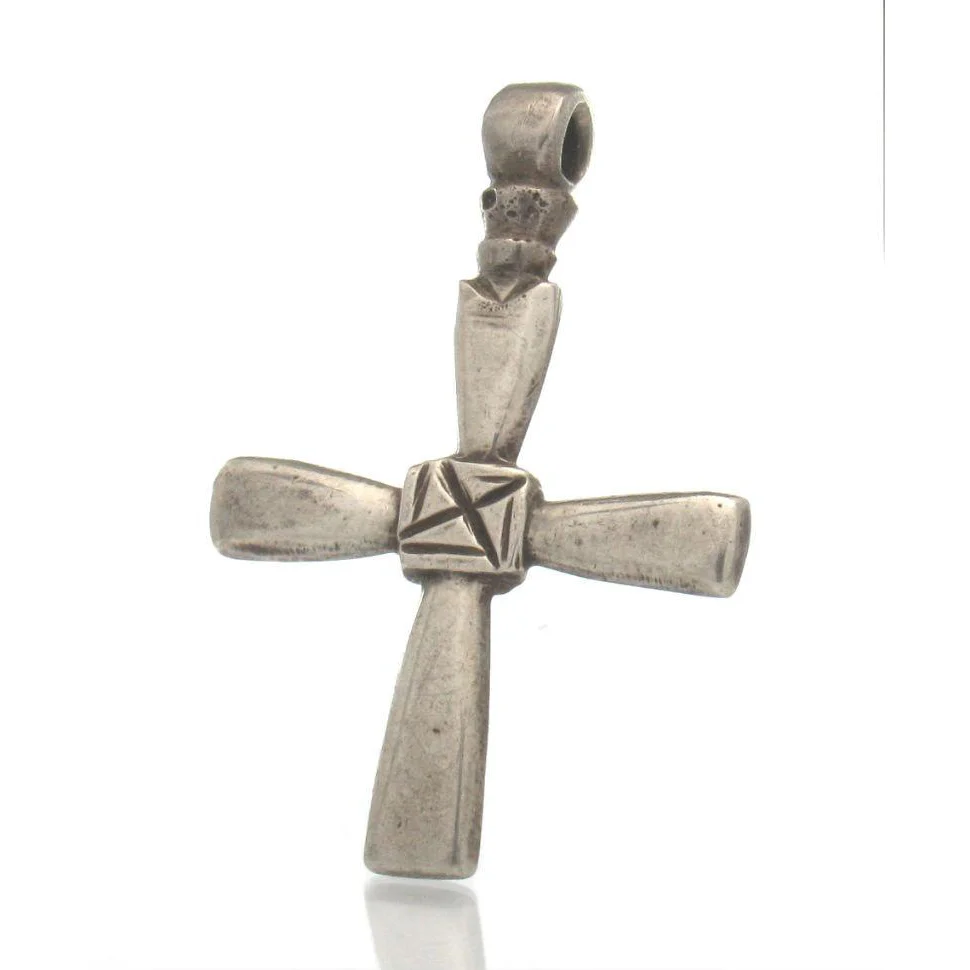
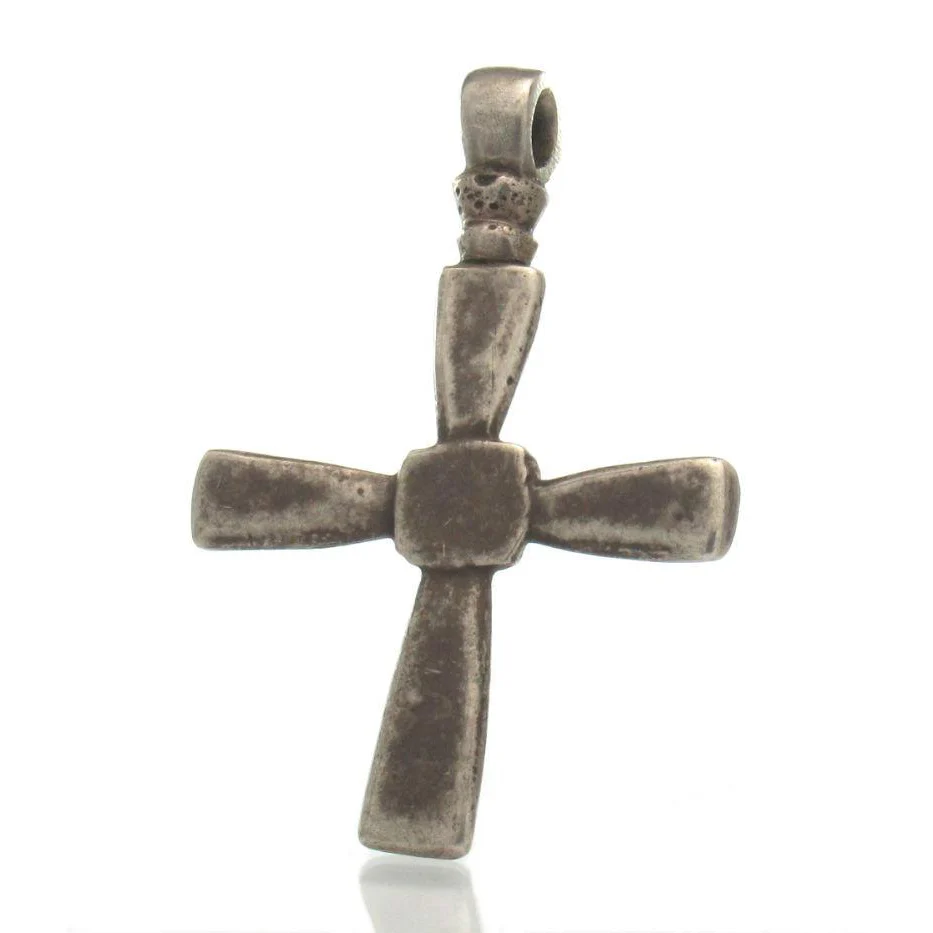
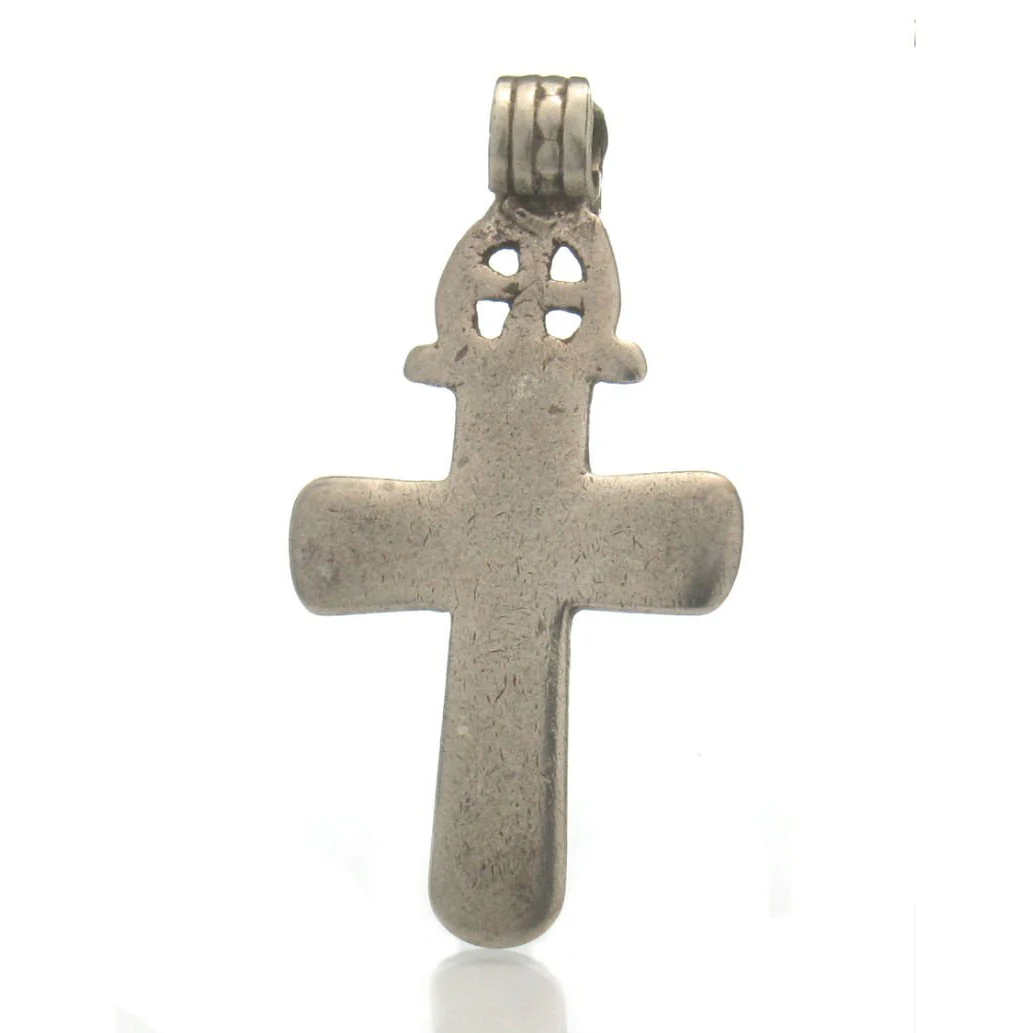
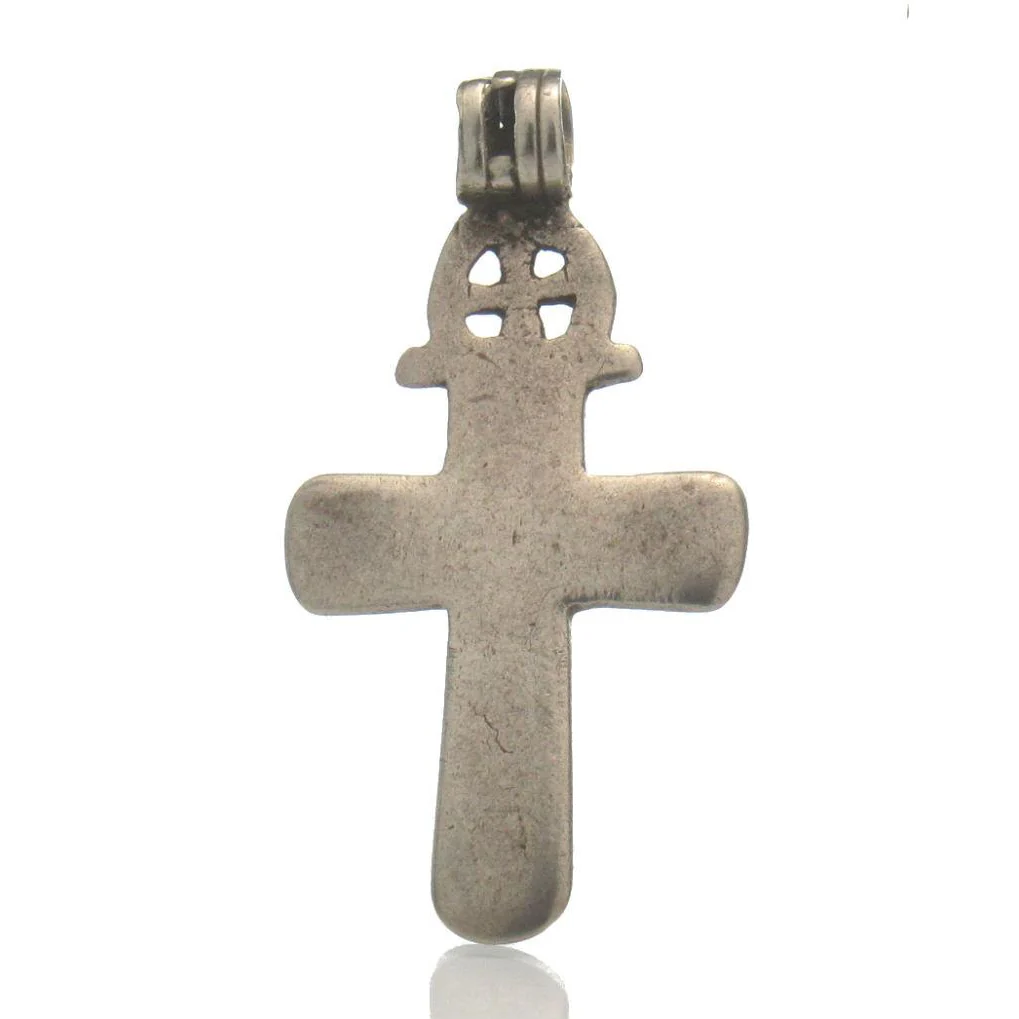
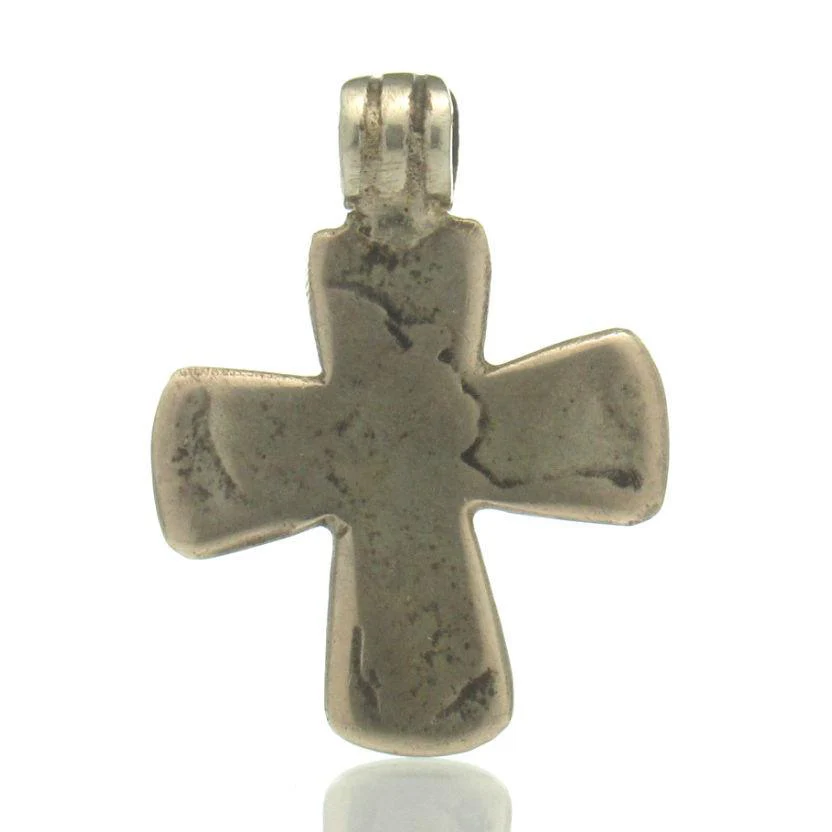
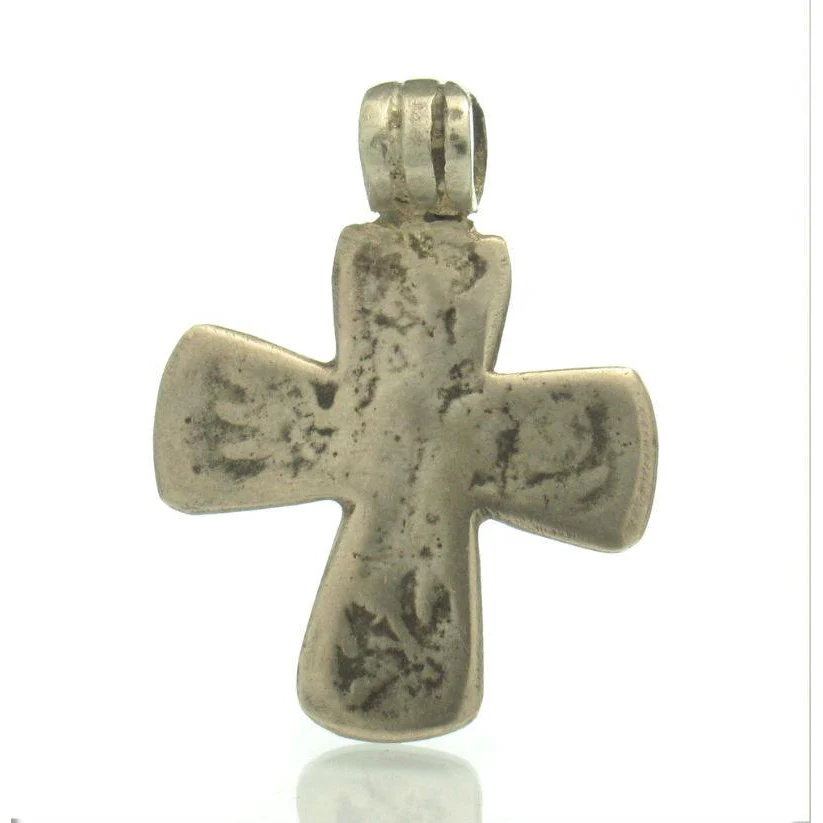
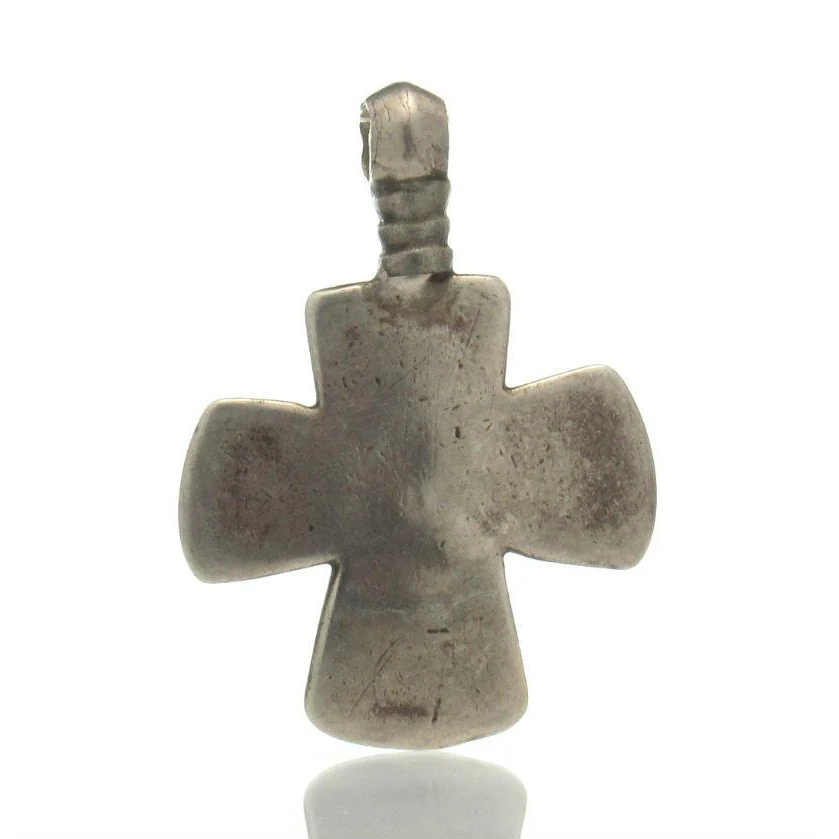
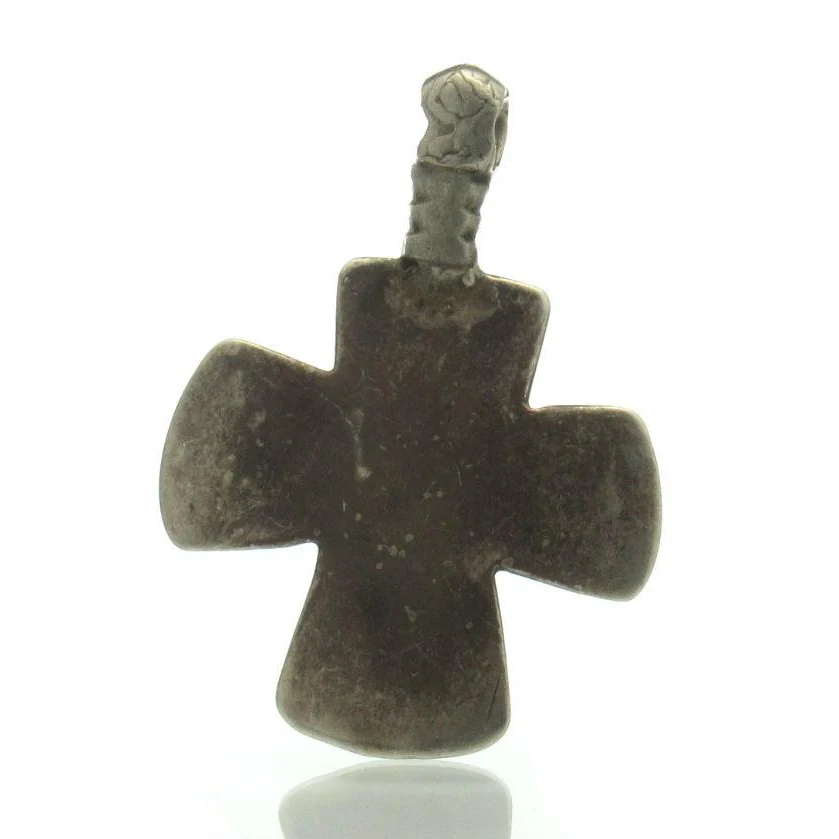
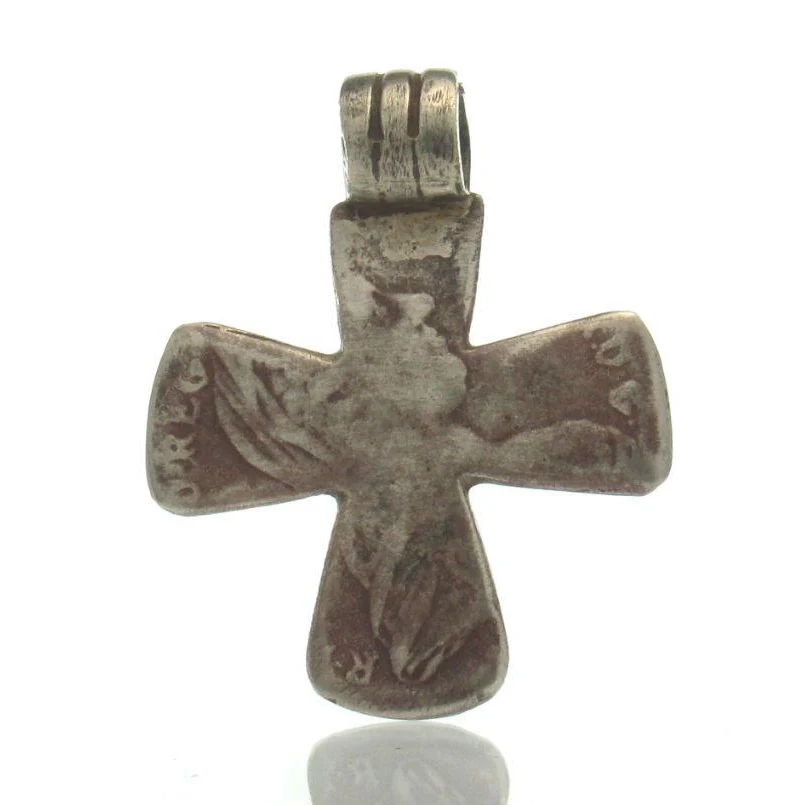
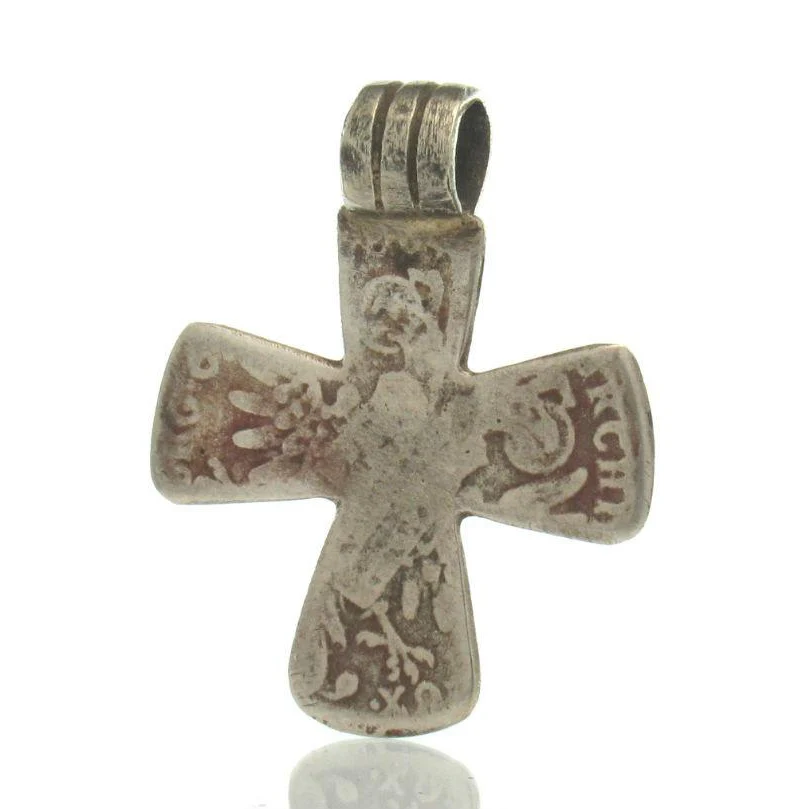
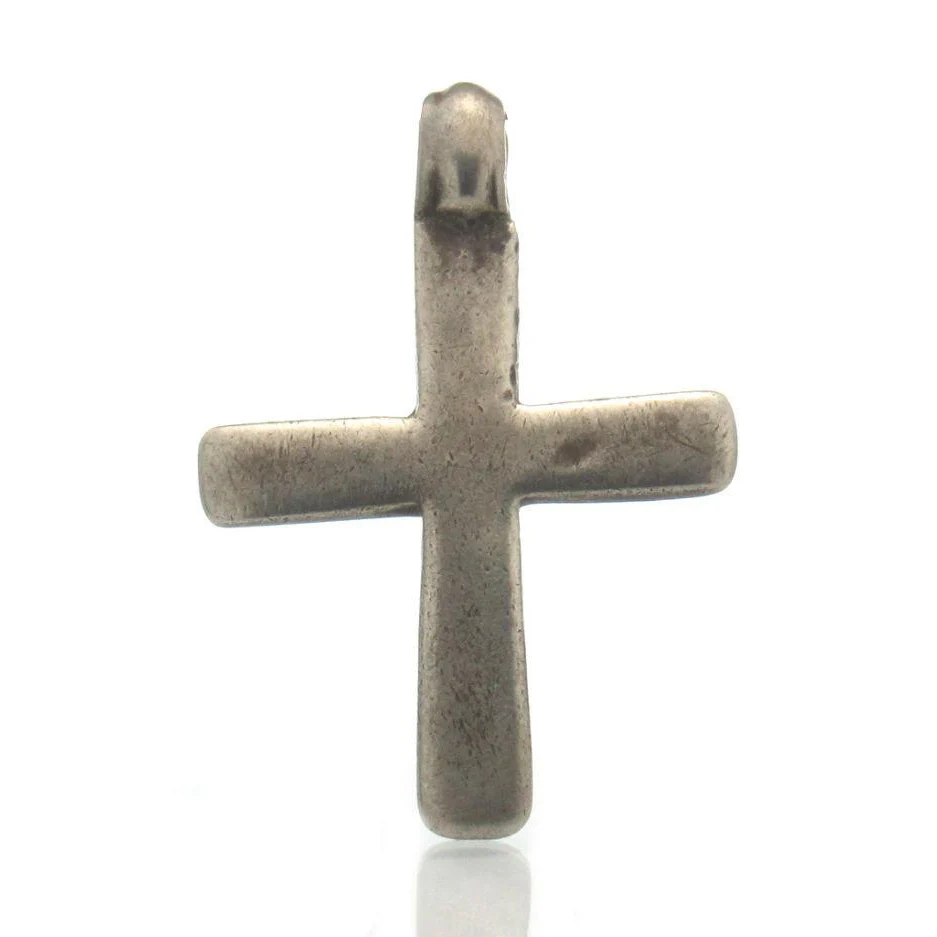
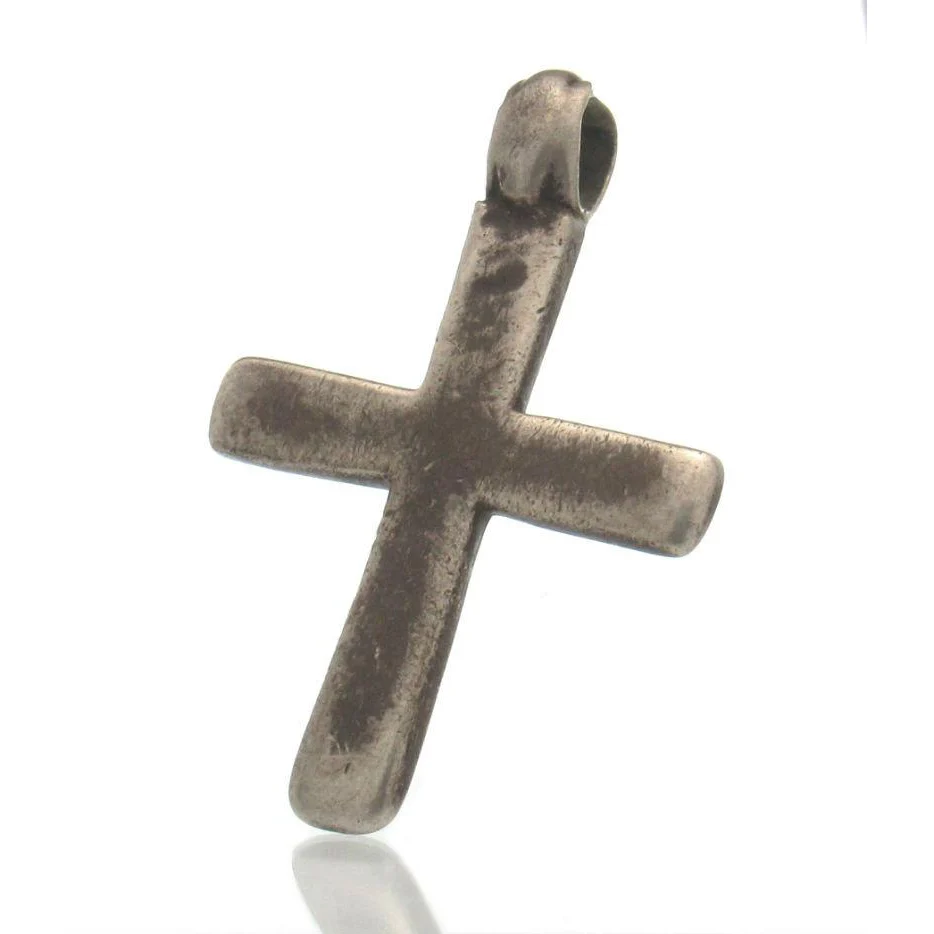
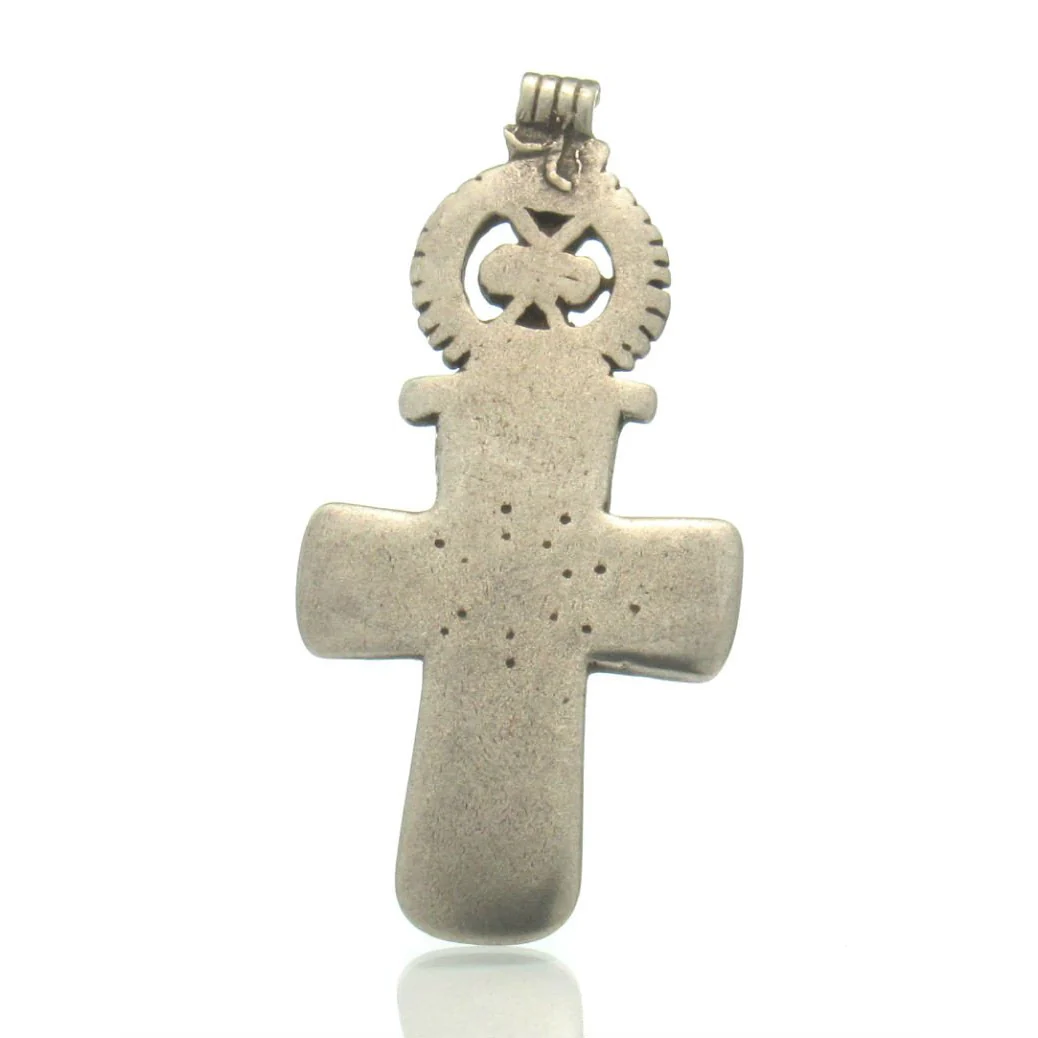
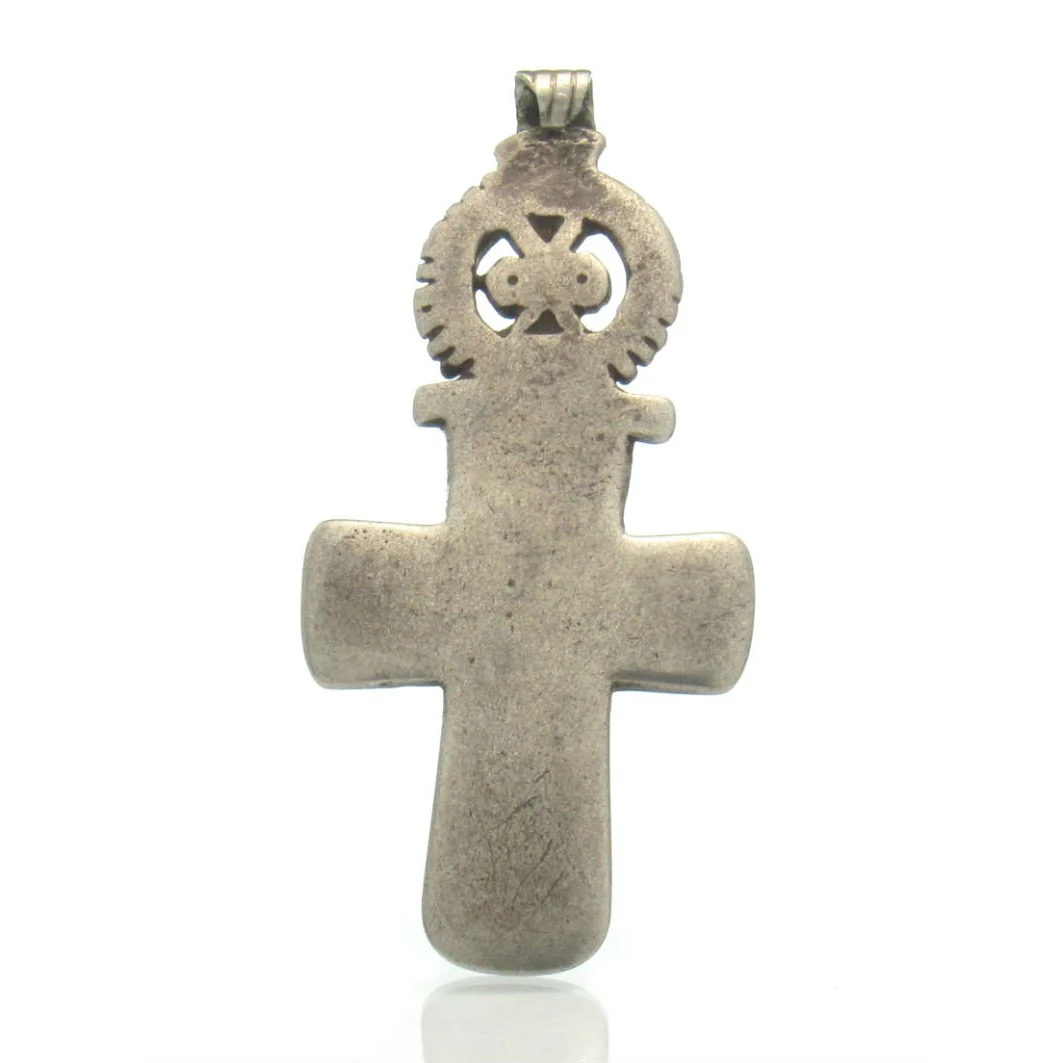
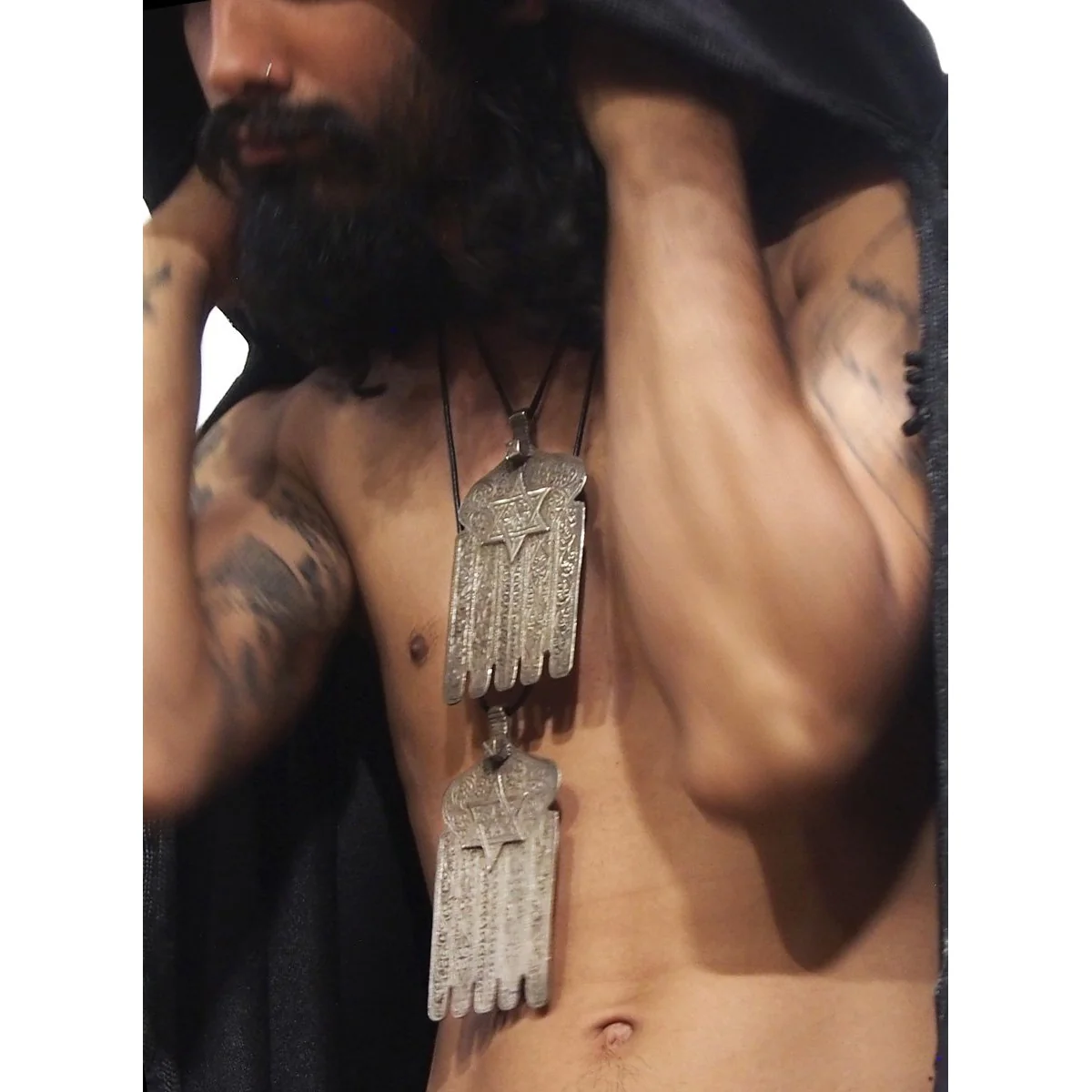
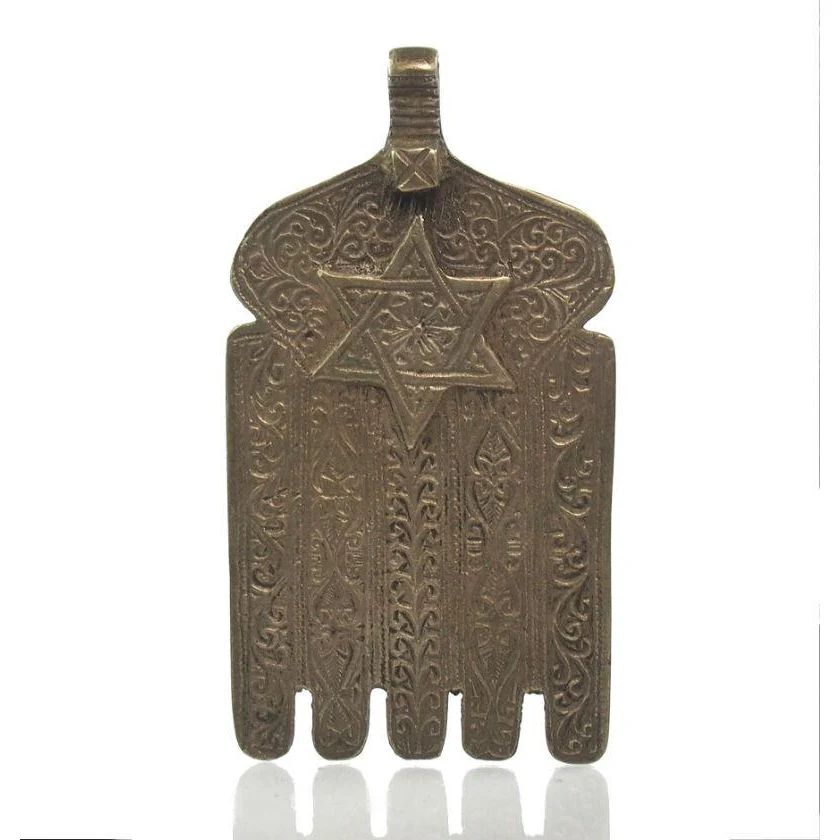
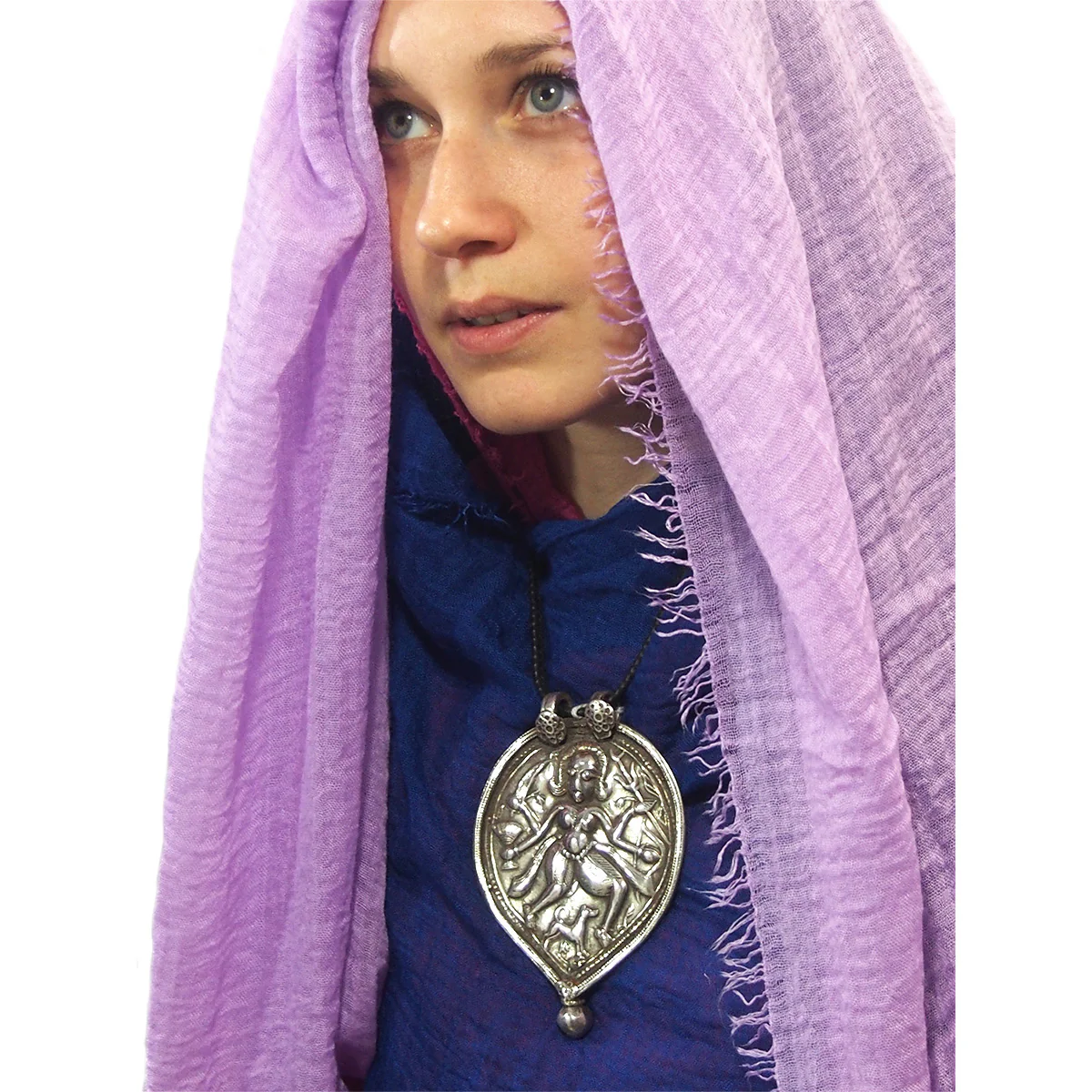
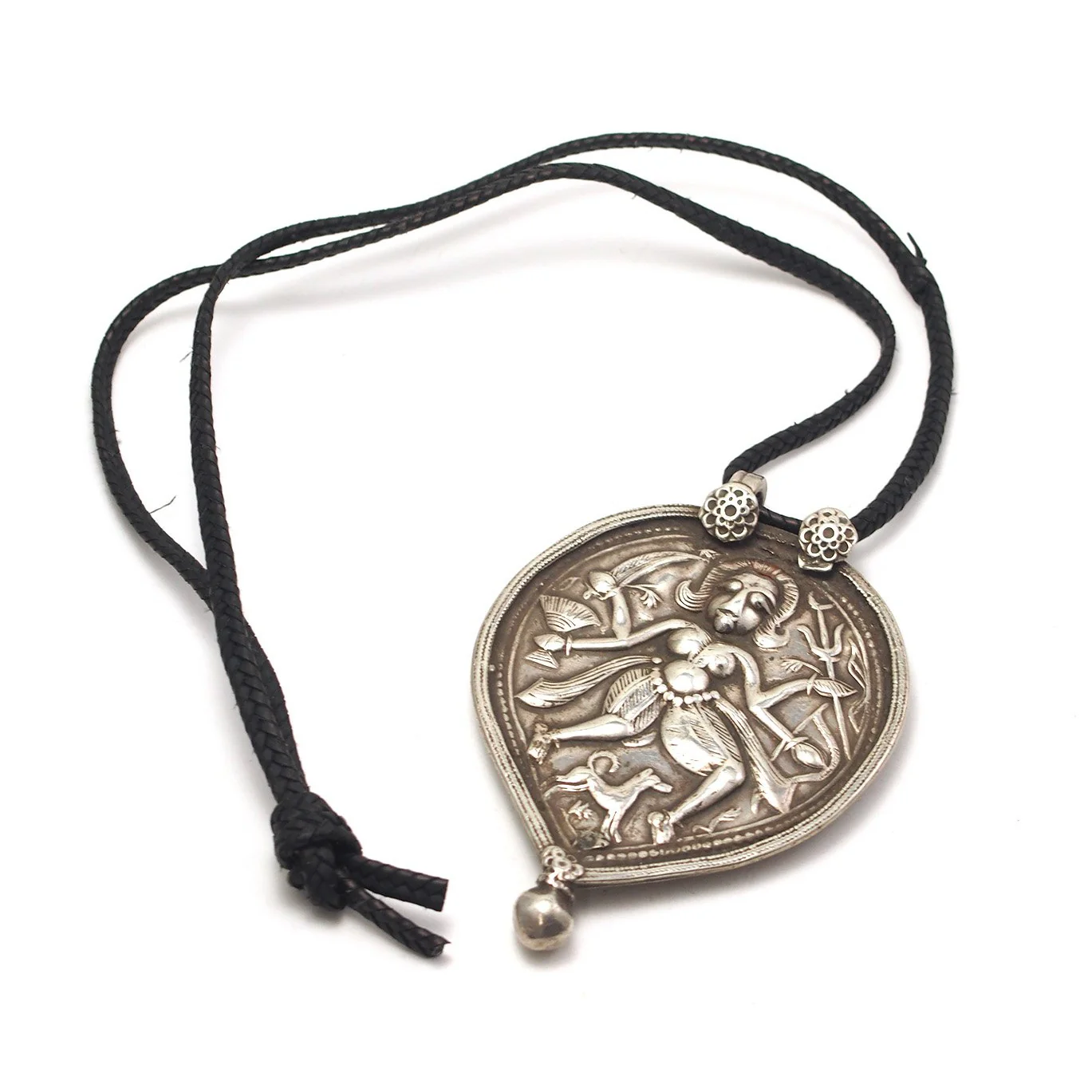
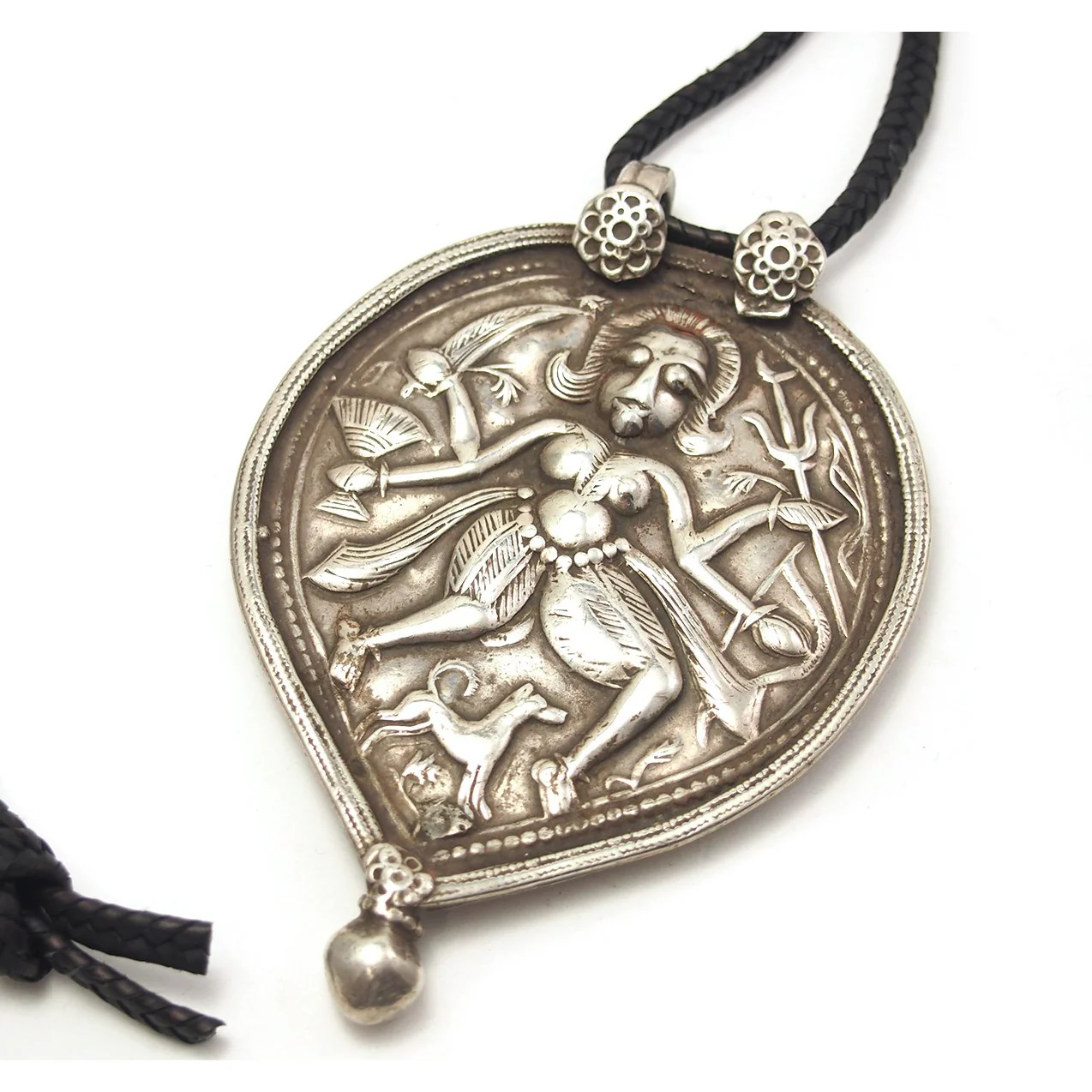
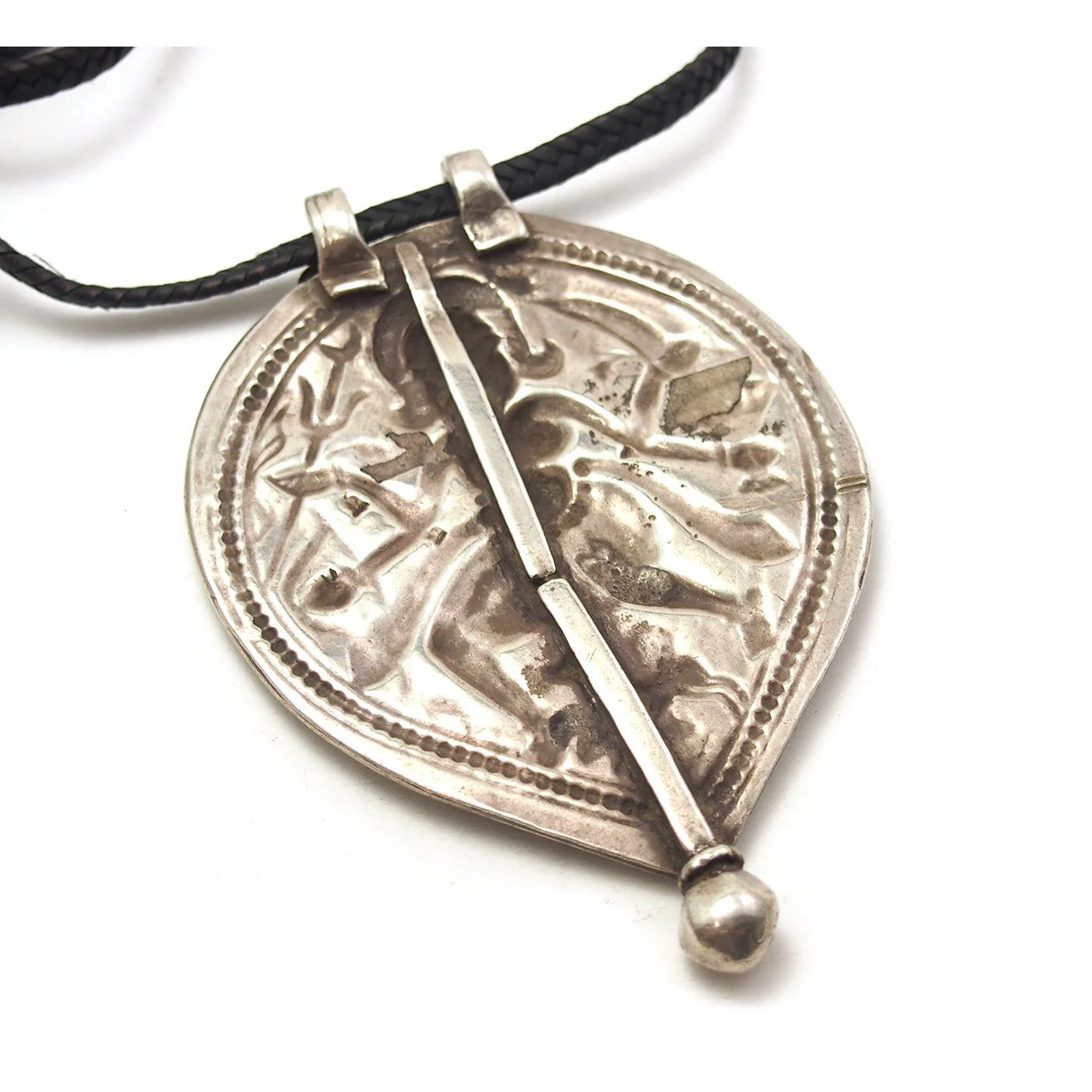
- Hindu Goddess Durga / Parvati Antique High Silver Content Pendant Large Size
- Mid 20th Century
- Measures approx. 4 3/4" x 3 1/4", cord length is 30"
- Origin is India
-
Durga, in Hinduism, a principal form of the supreme Goddess, also known as Devi and Shakti. The divine feminine energy in Hinduism is at once singular and plural—the singular universal Goddess, Mahadevi, and simultaneously a panoply of individual goddesses, of which one of the most important forms is Durga. She is revered across India, particularly in the eastern states. She is also a significant deity in Nepal and appears in Buddhist, Jain, and Sikh traditions as well. Durga Puja and Navratri, held annually in her honor, are among the major festivals of the Indian subcontinent.
-
Mythology
Durga slaying the buffalo demon
Durga slaying the buffalo demonHindu goddess Durga depicted slaying the buffalo demon Mahishasura, red sandstone sculpture from Rajasthan, India, c. 850–900; in the Los Angeles County Museum of Art.
References to Durga appear in some of the most ancient Sanskrit scriptures. She is named in hymns from the Rigveda and in the Atharvaveda (c. 1500–1200 bce). Two texts from the Hindu writings collectively known as the Puranas are dedicated to the goddess: Devi Mahatmya (part of Markandeya Purana; 5th or 6th century ce) and Devi Bhagavata Purana (between the 6th and 14th centuries ce). References to Durga can be found in the Hindu epics Ramayana and Mahabharata.Origin
Image of the Hindu goddess Durga
Image of the Hindu goddess DurgaClay image of the Hindu goddess Durga created for Durga Puja, a festival dedicated to her, Kolkata.
According to legend, Durga was created by the devas, the male gods of the Hindu pantheon, to slay the buffalo demon Mahishasura (Sanskrit mahisa, “buffalo,” and asura, “demon”). Mahishasura had been granted a boon by Brahma that made him invincible against a male opponent, and he and his forces had attacked the devas and displaced them from their celestial abode of svarga. Powerless to overcome their adversary, the gods, led by the trinity of Brahma, Vishnu, and Shiva, combined their powers to create a female divinity with martial prowess and armed her with their own weapons. Embodying their collective energy (Shakti), Durga is both a derivative of the male divinities and the true source of their inner power. She is also greater than any of them. Born fully grown and beautiful, Durga presents a fierce, menacing aspect to her enemies. She is usually depicted riding a lion or tiger and having 8 or 10 arms, each holding the special weapon of one of the gods.Unlike Lakshmi and several other goddesses, Durga is not considered to be the consort of a male deity except in a myth associated with Durga Puja. In this account, she is popularly supposed to have traveled from the abode of her spouse, Shiva, in Mount Kailash, to her parents’ home for a period of rest.
Details & Craftsmanship
Every detail has been carefully considered to bring you the perfect product.
Details & Craftsmanship
Every detail has been carefully considered to bring you the perfect product.
Details & Craftsmanship
Every detail has been carefully considered to bring you the perfect product.
Description
- Hindu Goddess Durga / Parvati Antique High Silver Content Pendant Large Size
- Mid 20th Century
- Measures approx. 4 3/4" x 3 1/4", cord length is 30"
- Origin is India
-
Durga, in Hinduism, a principal form of the supreme Goddess, also known as Devi and Shakti. The divine feminine energy in Hinduism is at once singular and plural—the singular universal Goddess, Mahadevi, and simultaneously a panoply of individual goddesses, of which one of the most important forms is Durga. She is revered across India, particularly in the eastern states. She is also a significant deity in Nepal and appears in Buddhist, Jain, and Sikh traditions as well. Durga Puja and Navratri, held annually in her honor, are among the major festivals of the Indian subcontinent.
-
Mythology
Durga slaying the buffalo demon
Durga slaying the buffalo demonHindu goddess Durga depicted slaying the buffalo demon Mahishasura, red sandstone sculpture from Rajasthan, India, c. 850–900; in the Los Angeles County Museum of Art.
References to Durga appear in some of the most ancient Sanskrit scriptures. She is named in hymns from the Rigveda and in the Atharvaveda (c. 1500–1200 bce). Two texts from the Hindu writings collectively known as the Puranas are dedicated to the goddess: Devi Mahatmya (part of Markandeya Purana; 5th or 6th century ce) and Devi Bhagavata Purana (between the 6th and 14th centuries ce). References to Durga can be found in the Hindu epics Ramayana and Mahabharata.Origin
Image of the Hindu goddess Durga
Image of the Hindu goddess DurgaClay image of the Hindu goddess Durga created for Durga Puja, a festival dedicated to her, Kolkata.
According to legend, Durga was created by the devas, the male gods of the Hindu pantheon, to slay the buffalo demon Mahishasura (Sanskrit mahisa, “buffalo,” and asura, “demon”). Mahishasura had been granted a boon by Brahma that made him invincible against a male opponent, and he and his forces had attacked the devas and displaced them from their celestial abode of svarga. Powerless to overcome their adversary, the gods, led by the trinity of Brahma, Vishnu, and Shiva, combined their powers to create a female divinity with martial prowess and armed her with their own weapons. Embodying their collective energy (Shakti), Durga is both a derivative of the male divinities and the true source of their inner power. She is also greater than any of them. Born fully grown and beautiful, Durga presents a fierce, menacing aspect to her enemies. She is usually depicted riding a lion or tiger and having 8 or 10 arms, each holding the special weapon of one of the gods.Unlike Lakshmi and several other goddesses, Durga is not considered to be the consort of a male deity except in a myth associated with Durga Puja. In this account, she is popularly supposed to have traveled from the abode of her spouse, Shiva, in Mount Kailash, to her parents’ home for a period of rest.