$40.80
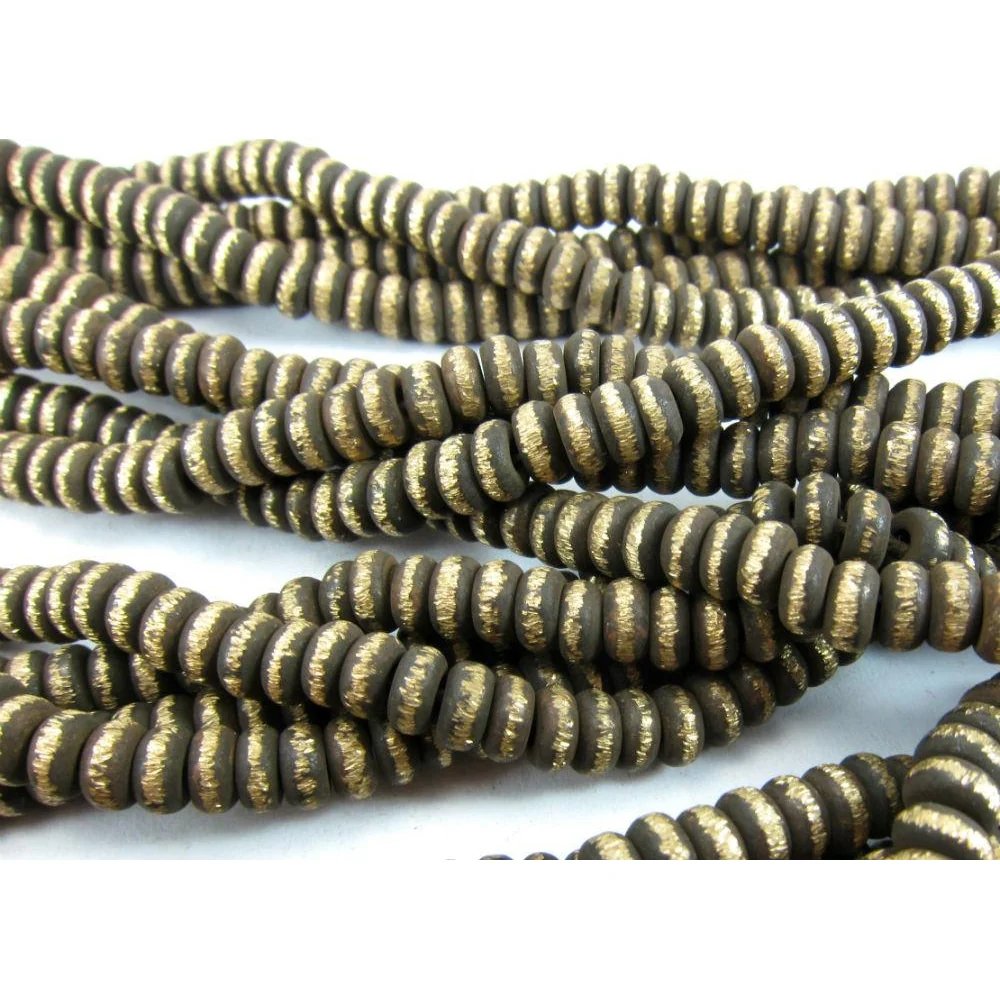
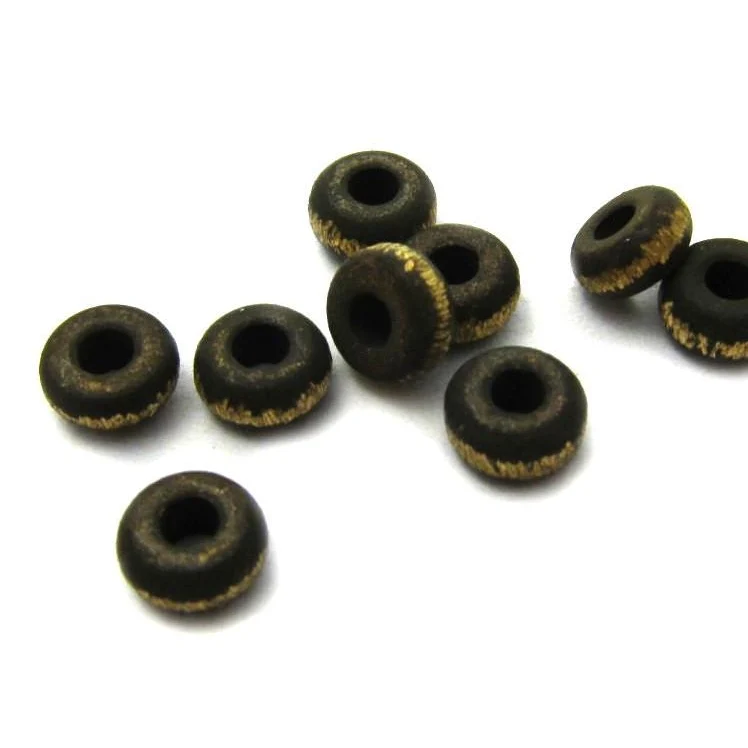
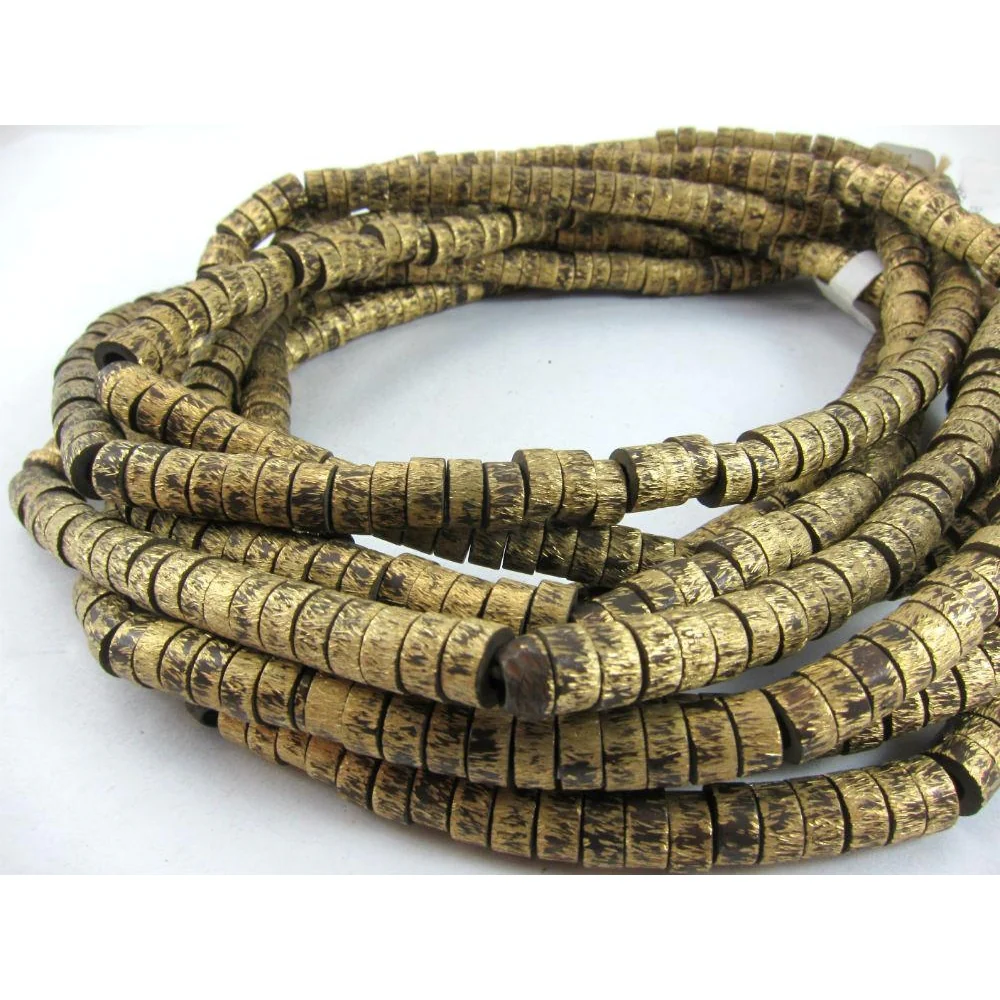
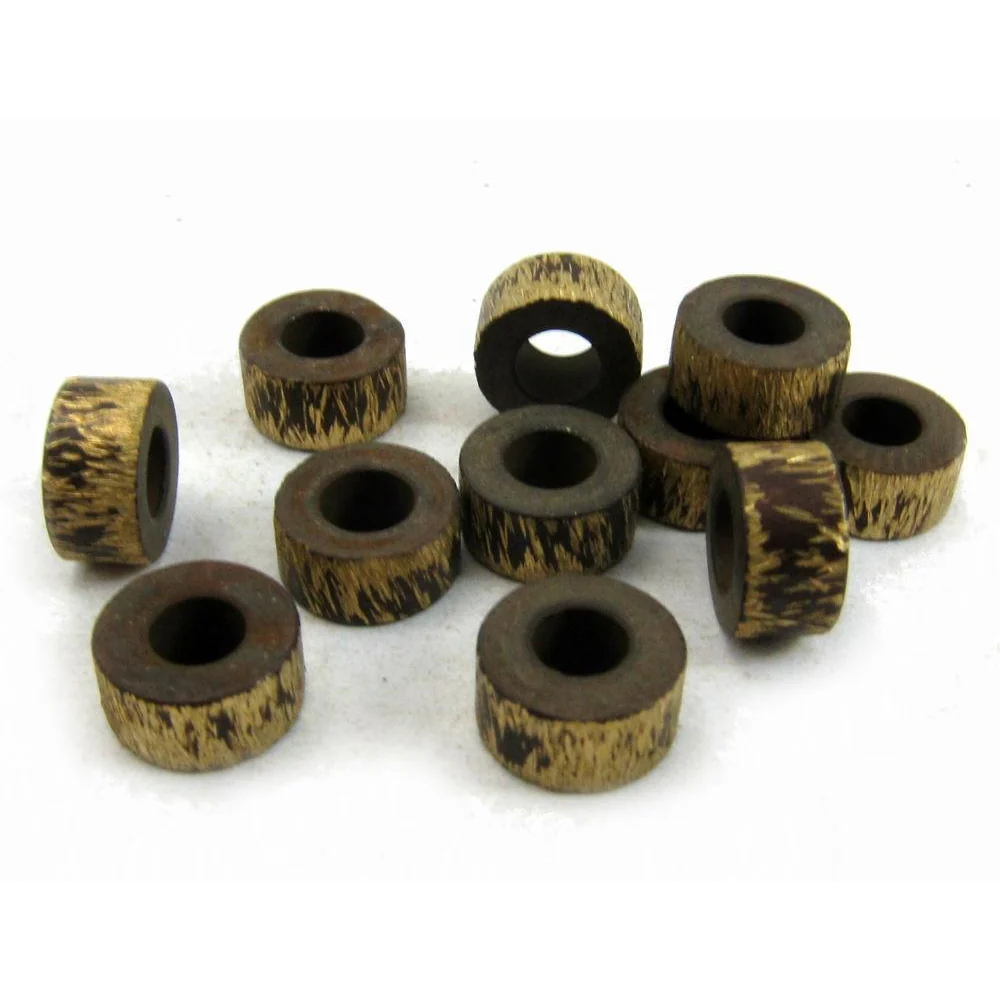
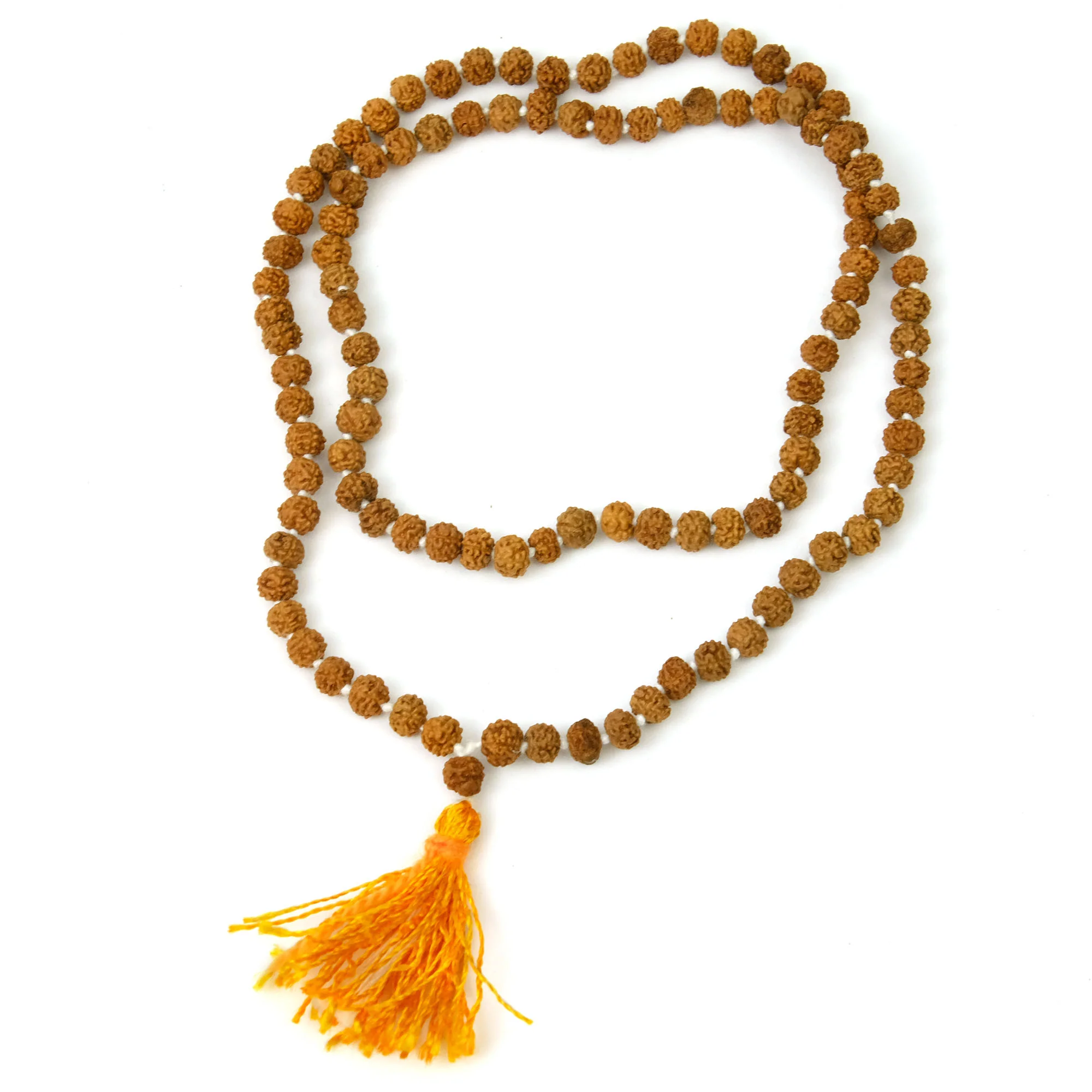
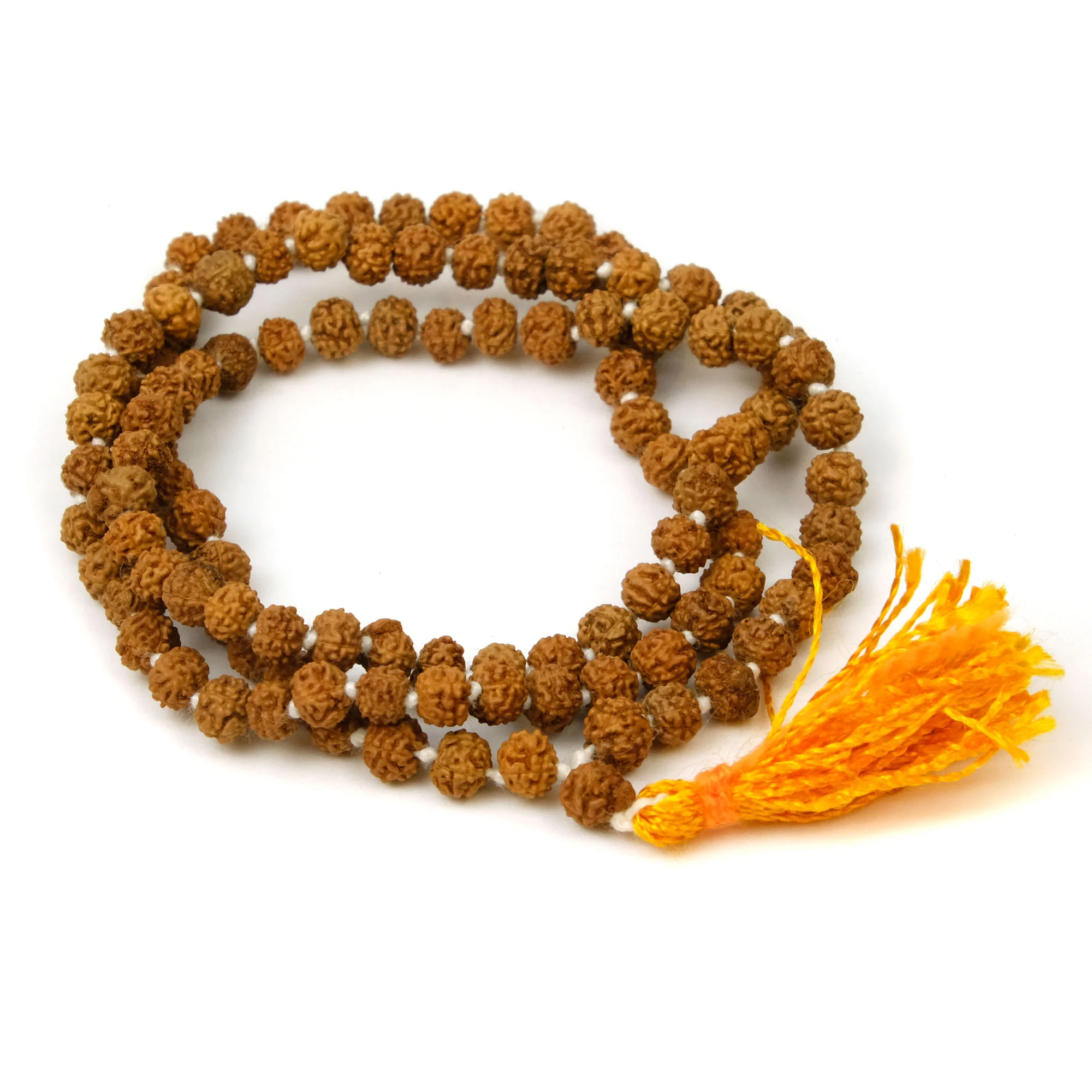
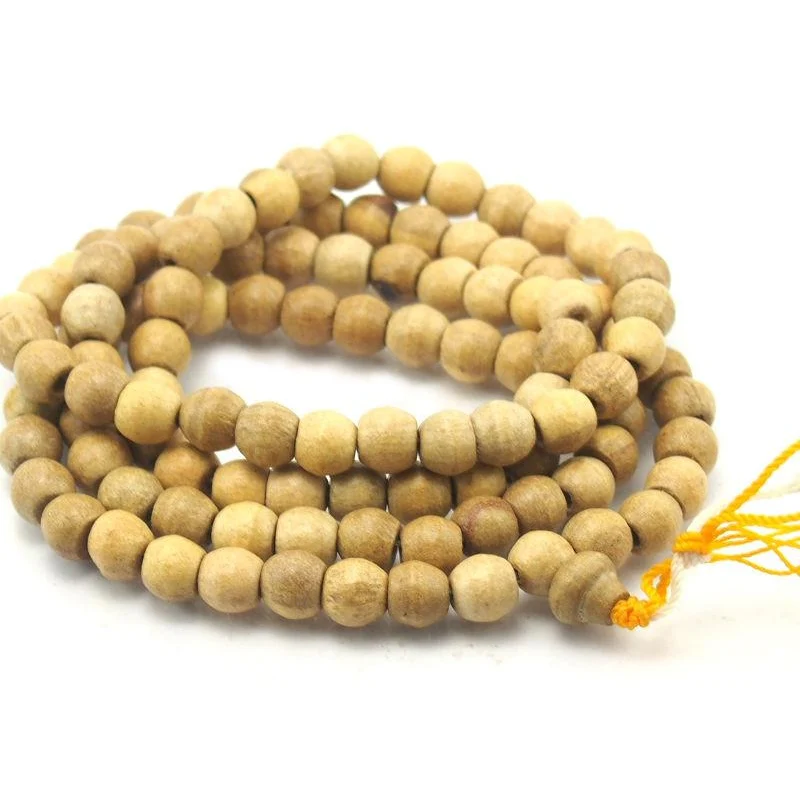
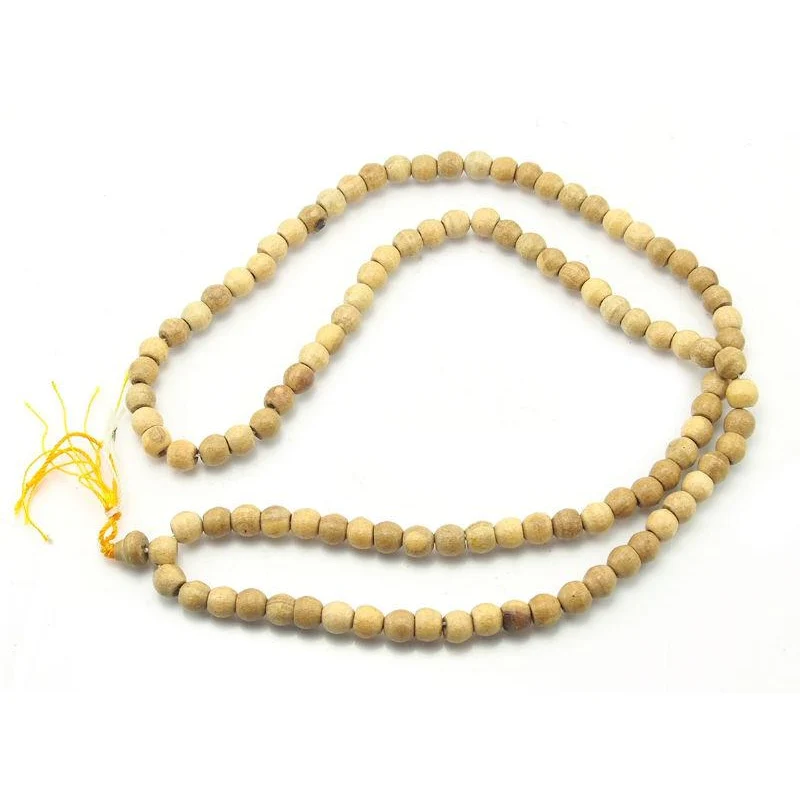
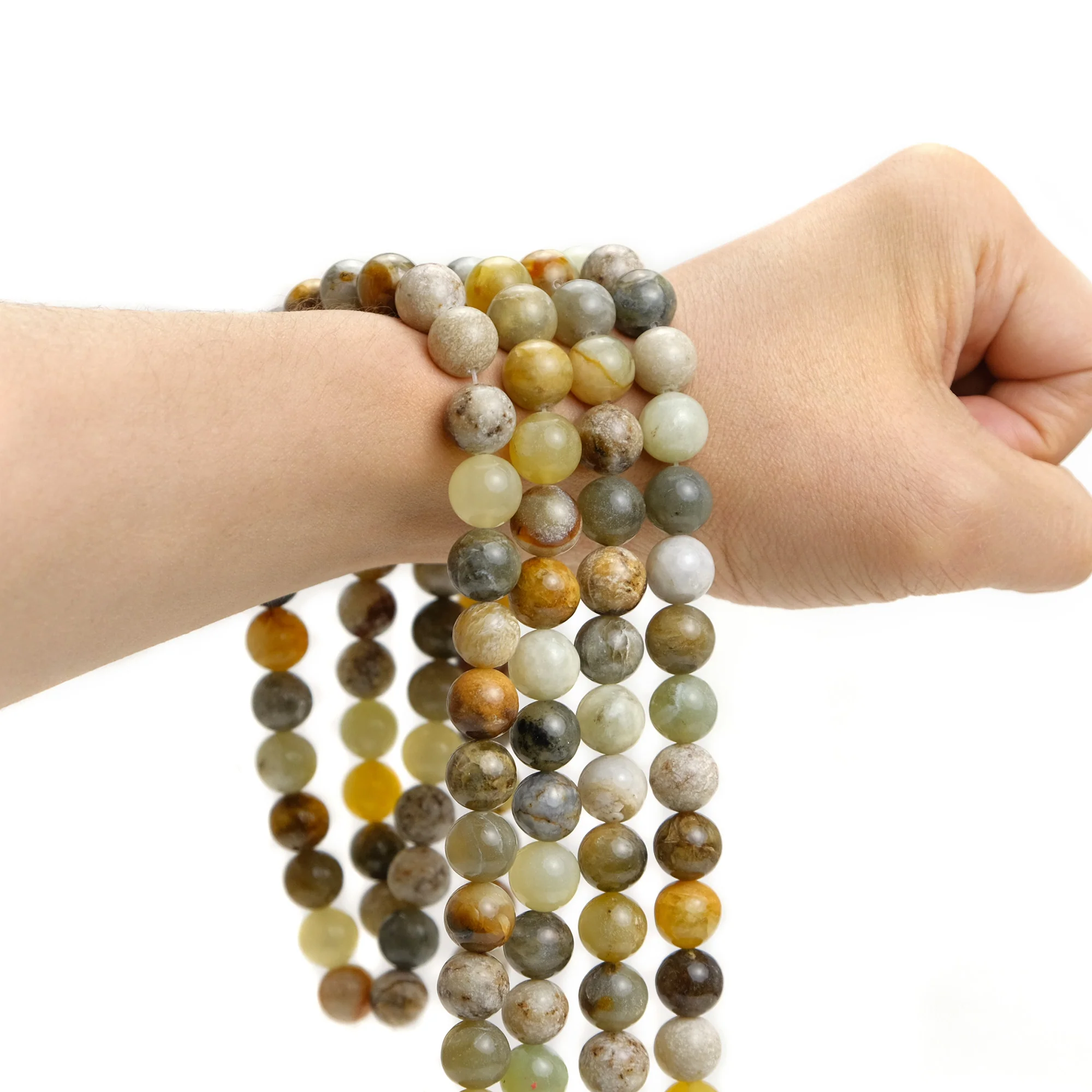
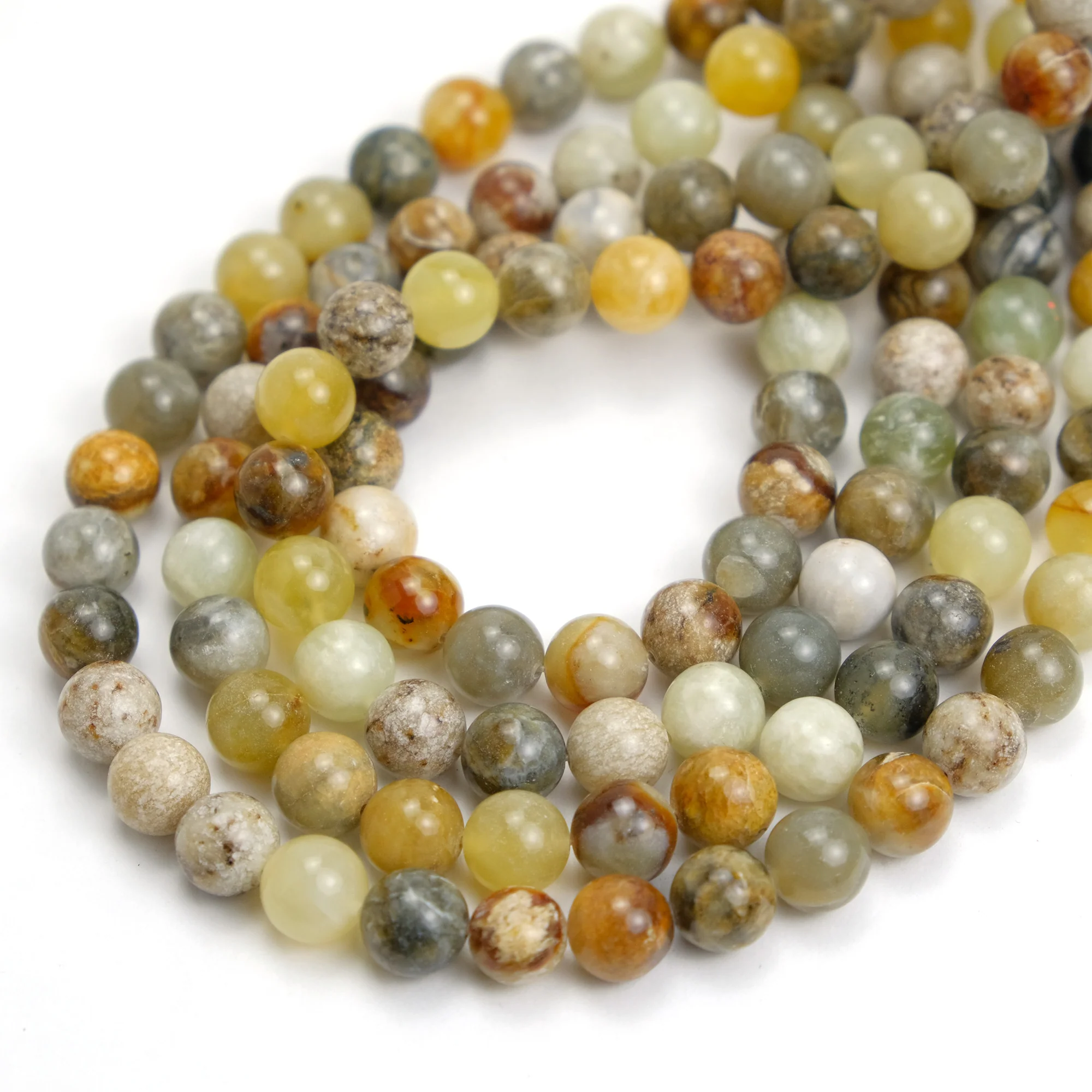
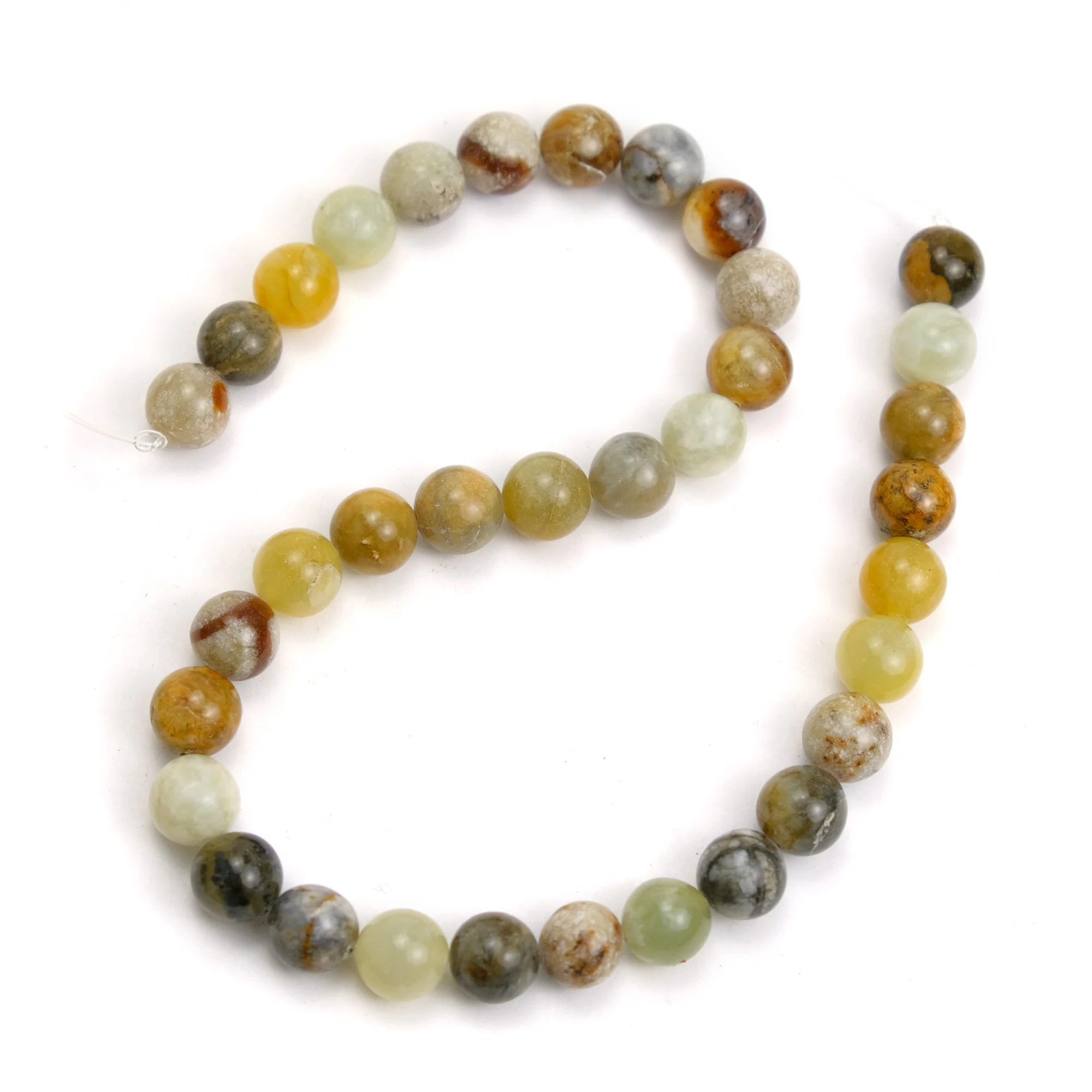
Jade Flower 12mm Smooth Rounds—
$40.80
The Story
- Jade Flower 12mm Smooth Rounds
- Approx. 16" long
- Make this Gem Strand Into A Necklace
- Sold by the strand. Price is for ONE STRAND ONLY
- Since prehistoric times, Jade was used in many parts of the world for arms and tools because of its exceptional toughness. For over 2,000 years, Jade had religious significance in China and mystic figures and other symbols were carved from it. In the pre-Columbian period, the Mayas, Aztecs and Olmecs of Central America honored and esteemed Jade more highly than gold.
- But only in 1863 was it discovered that Jade is actually not a single mineral. What was traditionally called Jade is in fact two separate and distinct minerals: Jadite and Nephrite. Jade is a term applied to two different metamorphic rocks containing different silicate minerals. Jadeite is often called “hard Jade,” and Nephrite is “soft Jade.” The two varieties of Jade even have different crystal structures. While Jadeite's structure is an arrangement of grainy crystals, Nephrite is made up of fibrous crystals that interlock in a matted texture. These densely packed and interwoven fibers are extremely resistant to fracturing. So while Jadeite is the denser and harder type of Jade, Nephrite is actually the tougher of the two. All of the traditional ancient Chinese Jade is Nephrite, since there are large deposits of Nephrite in China, but no Jadeite.
- Jadeite first came to China from Burma in the 18th century. Before the introduction of Jadeite, the Chinese tended to value translucent white Nephrite. But the Jadeite from Burma came in a wider range of colors, including green, lavender, yellow, black and white. The rarest and most valuable Jadeite is the emerald green Imperial Jade, colored by traces of chromium. It has color and transparency rivaling fine Emerald, though Imperial Jade is slightly more yellow in tone. In fact the revered Emerald Buddha in Wat Phra Keow in Bangkok is believed to be composed of fine Jadeite, not Emerald. Although Jade is traditionally thought of as green, it is also found in white, blue, and lavender.
- New Zealand's Maoris began carving weapons and cult instruments from native Jade in early times, a tradition which has continued to the present day. In ancient Egypt, Jade was admired as the stone of love, inner peace, harmony and balance. As early as 3000 B.C. Jade was known in China as "Yu", the "Royal Gem". In the long history of the art and culture of the Chinese empire, Jade has always had a very special significance, comparable with that of gold and Diamonds in the West. Today, too, this gem is regarded as a symbol of the good, the beautiful and the precious. In folklore, Jade embodies the Confucian virtues of wisdom, justice, compassion, modesty and courage, yet it also symbolizes the female-erotic. Jade is also believed to be a lucky stone, and provides good health, prosperity. It is rumored that slipping a peace of Jade under one’s pillow can enhance dreams.
Details & Craftsmanship
Every detail has been carefully considered to bring you the perfect product.
Details & Craftsmanship
Every detail has been carefully considered to bring you the perfect product.
Description
- Jade Flower 12mm Smooth Rounds
- Approx. 16" long
- Make this Gem Strand Into A Necklace
- Sold by the strand. Price is for ONE STRAND ONLY
- Since prehistoric times, Jade was used in many parts of the world for arms and tools because of its exceptional toughness. For over 2,000 years, Jade had religious significance in China and mystic figures and other symbols were carved from it. In the pre-Columbian period, the Mayas, Aztecs and Olmecs of Central America honored and esteemed Jade more highly than gold.
- But only in 1863 was it discovered that Jade is actually not a single mineral. What was traditionally called Jade is in fact two separate and distinct minerals: Jadite and Nephrite. Jade is a term applied to two different metamorphic rocks containing different silicate minerals. Jadeite is often called “hard Jade,” and Nephrite is “soft Jade.” The two varieties of Jade even have different crystal structures. While Jadeite's structure is an arrangement of grainy crystals, Nephrite is made up of fibrous crystals that interlock in a matted texture. These densely packed and interwoven fibers are extremely resistant to fracturing. So while Jadeite is the denser and harder type of Jade, Nephrite is actually the tougher of the two. All of the traditional ancient Chinese Jade is Nephrite, since there are large deposits of Nephrite in China, but no Jadeite.
- Jadeite first came to China from Burma in the 18th century. Before the introduction of Jadeite, the Chinese tended to value translucent white Nephrite. But the Jadeite from Burma came in a wider range of colors, including green, lavender, yellow, black and white. The rarest and most valuable Jadeite is the emerald green Imperial Jade, colored by traces of chromium. It has color and transparency rivaling fine Emerald, though Imperial Jade is slightly more yellow in tone. In fact the revered Emerald Buddha in Wat Phra Keow in Bangkok is believed to be composed of fine Jadeite, not Emerald. Although Jade is traditionally thought of as green, it is also found in white, blue, and lavender.
- New Zealand's Maoris began carving weapons and cult instruments from native Jade in early times, a tradition which has continued to the present day. In ancient Egypt, Jade was admired as the stone of love, inner peace, harmony and balance. As early as 3000 B.C. Jade was known in China as "Yu", the "Royal Gem". In the long history of the art and culture of the Chinese empire, Jade has always had a very special significance, comparable with that of gold and Diamonds in the West. Today, too, this gem is regarded as a symbol of the good, the beautiful and the precious. In folklore, Jade embodies the Confucian virtues of wisdom, justice, compassion, modesty and courage, yet it also symbolizes the female-erotic. Jade is also believed to be a lucky stone, and provides good health, prosperity. It is rumored that slipping a peace of Jade under one’s pillow can enhance dreams.