$33.00
Original: $110.00
-70%Thai Spider Amulet, A—
$110.00
$33.00The Story
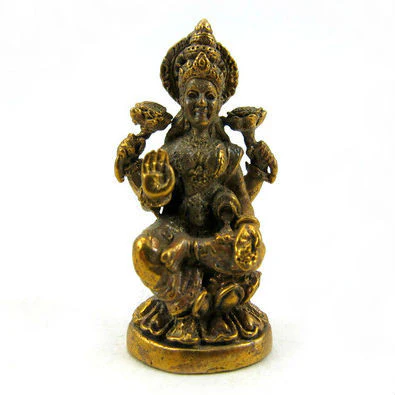
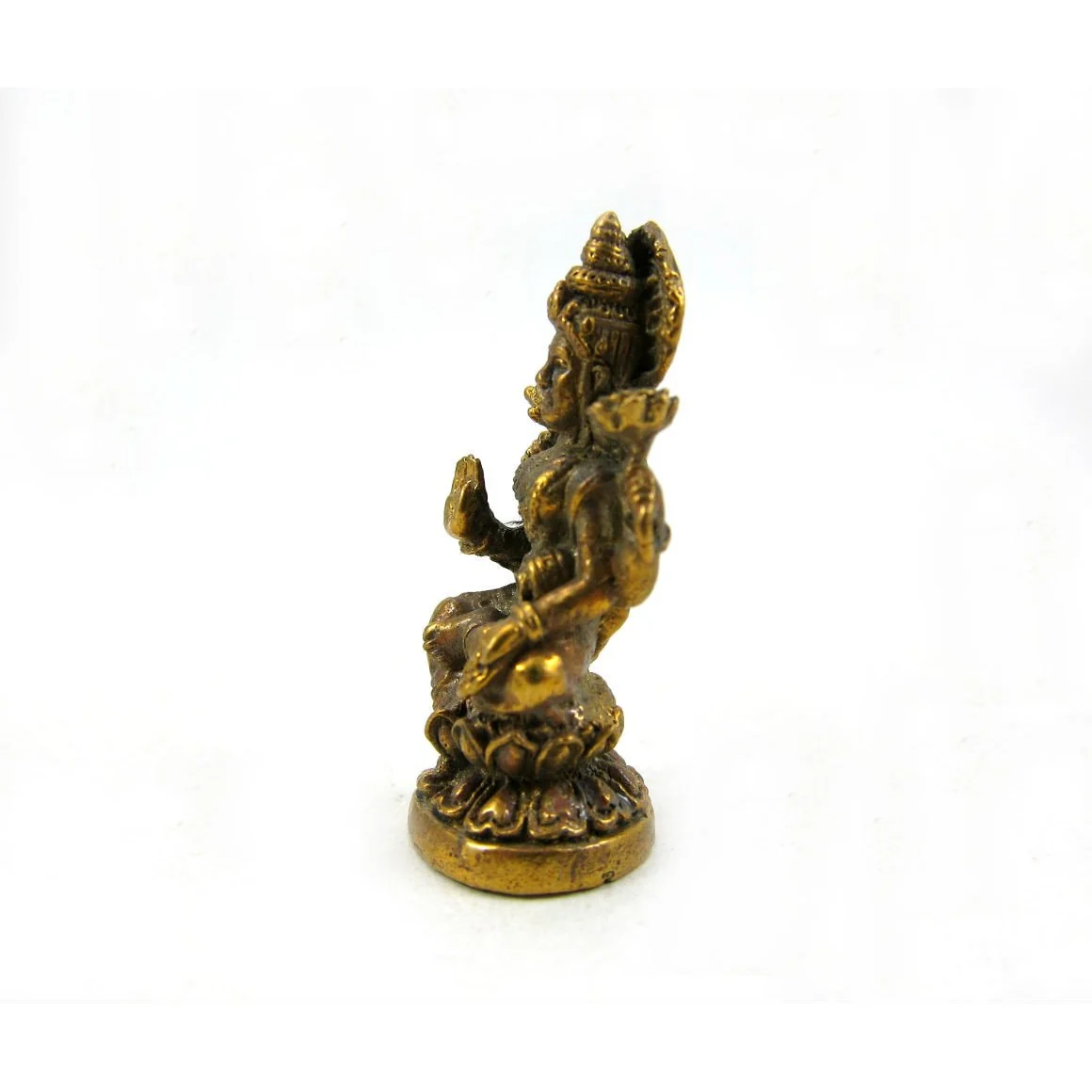
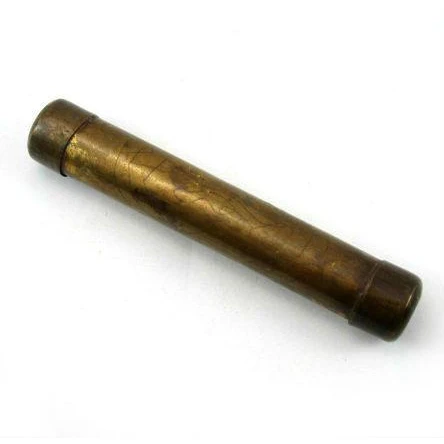
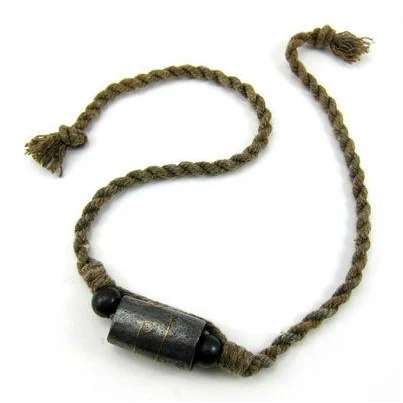
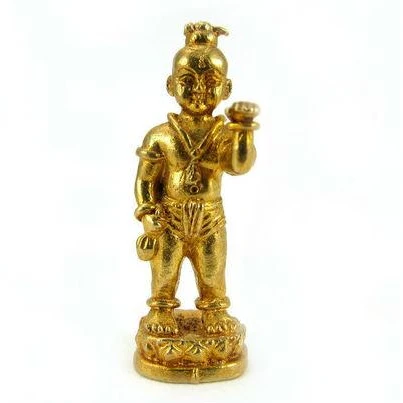
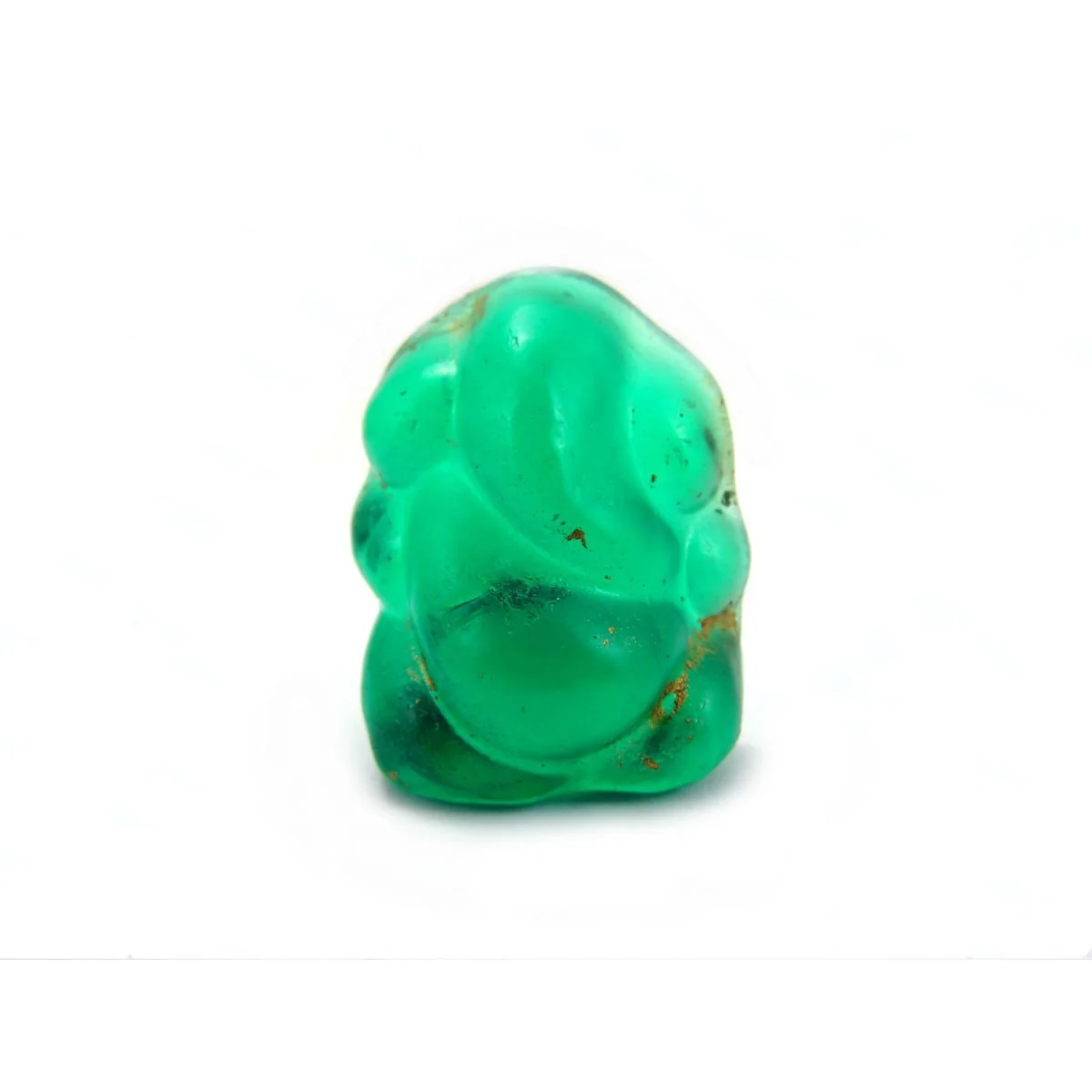
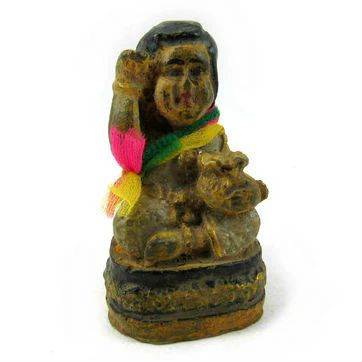
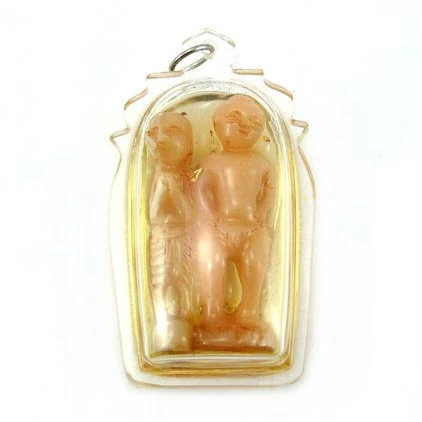
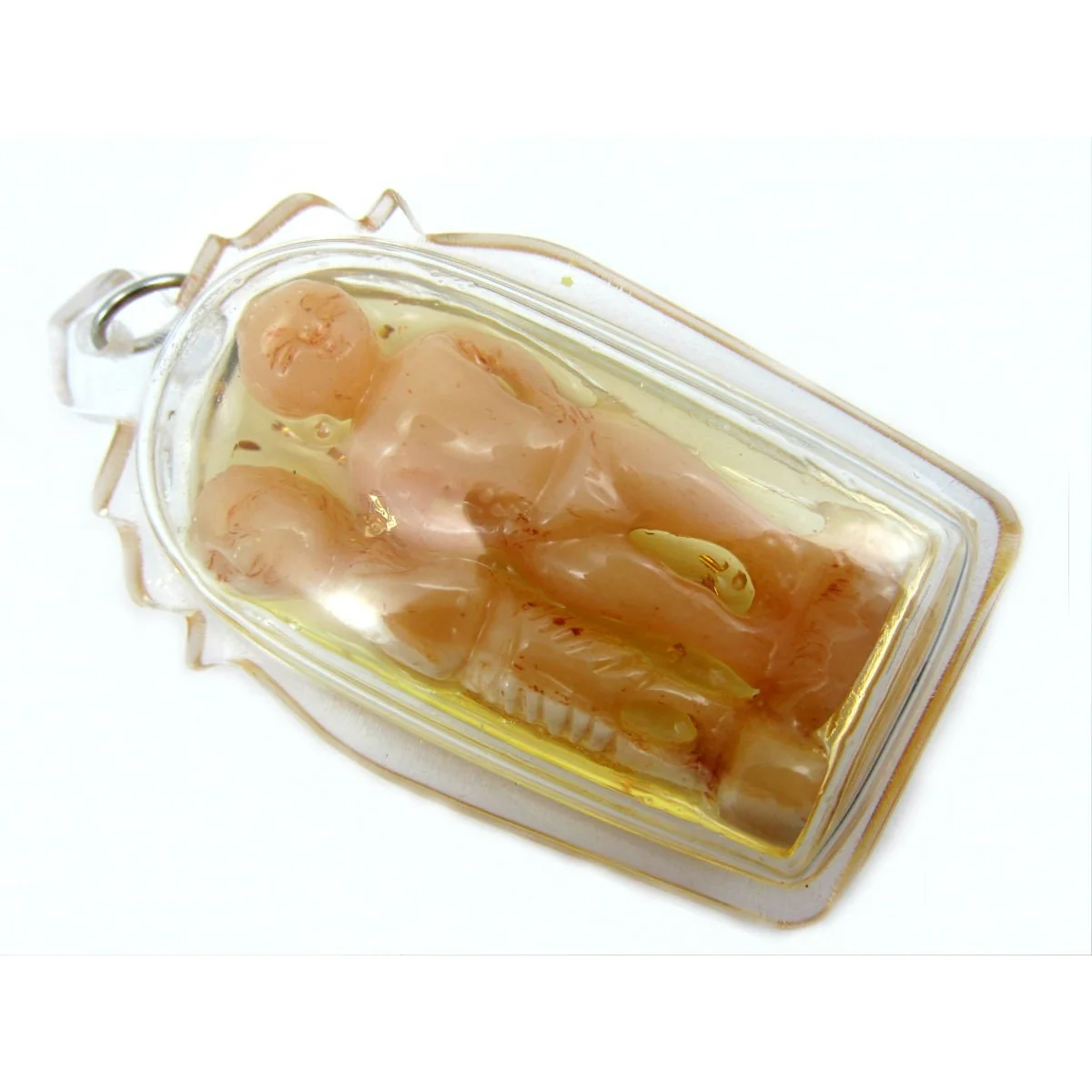
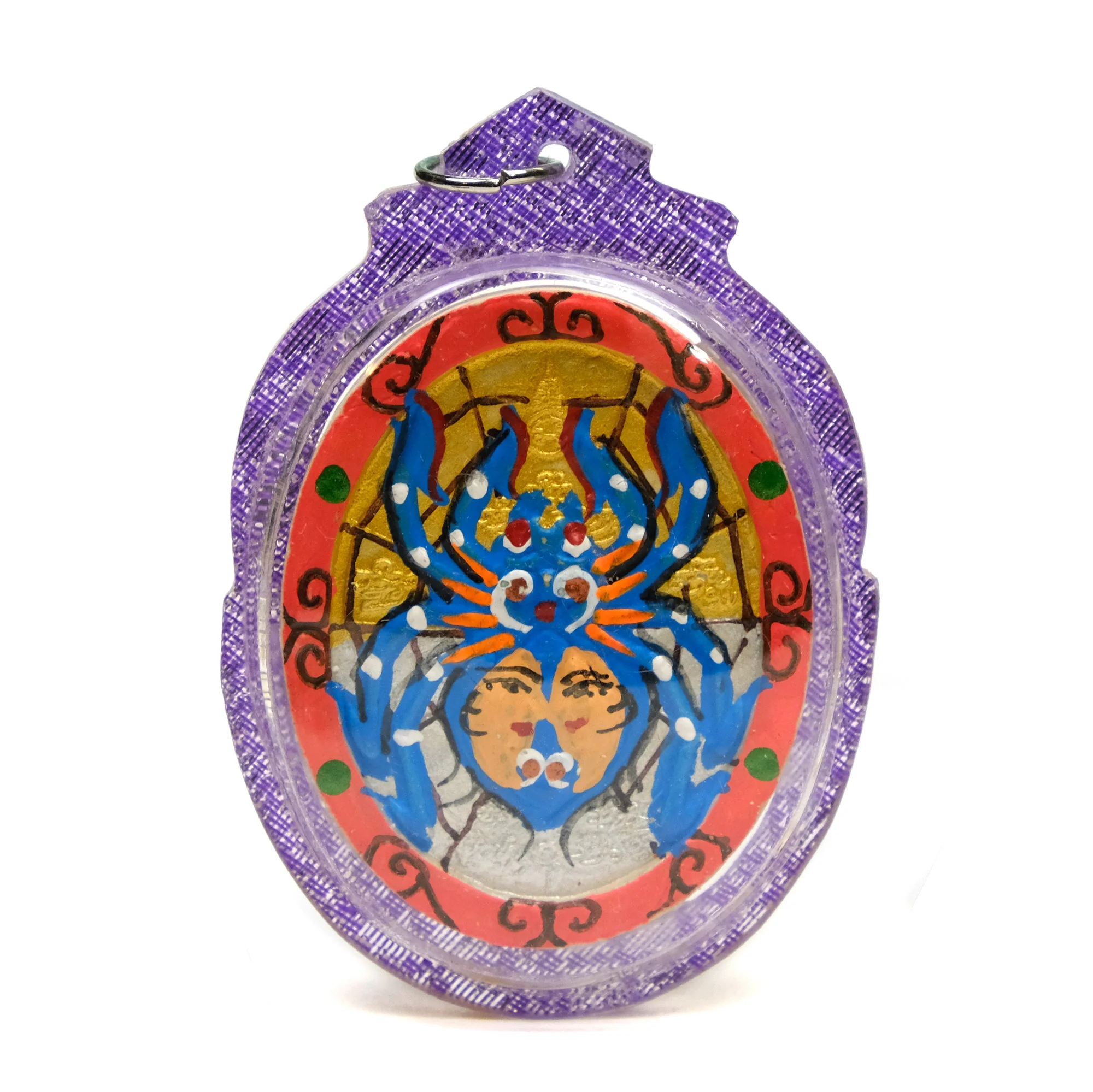
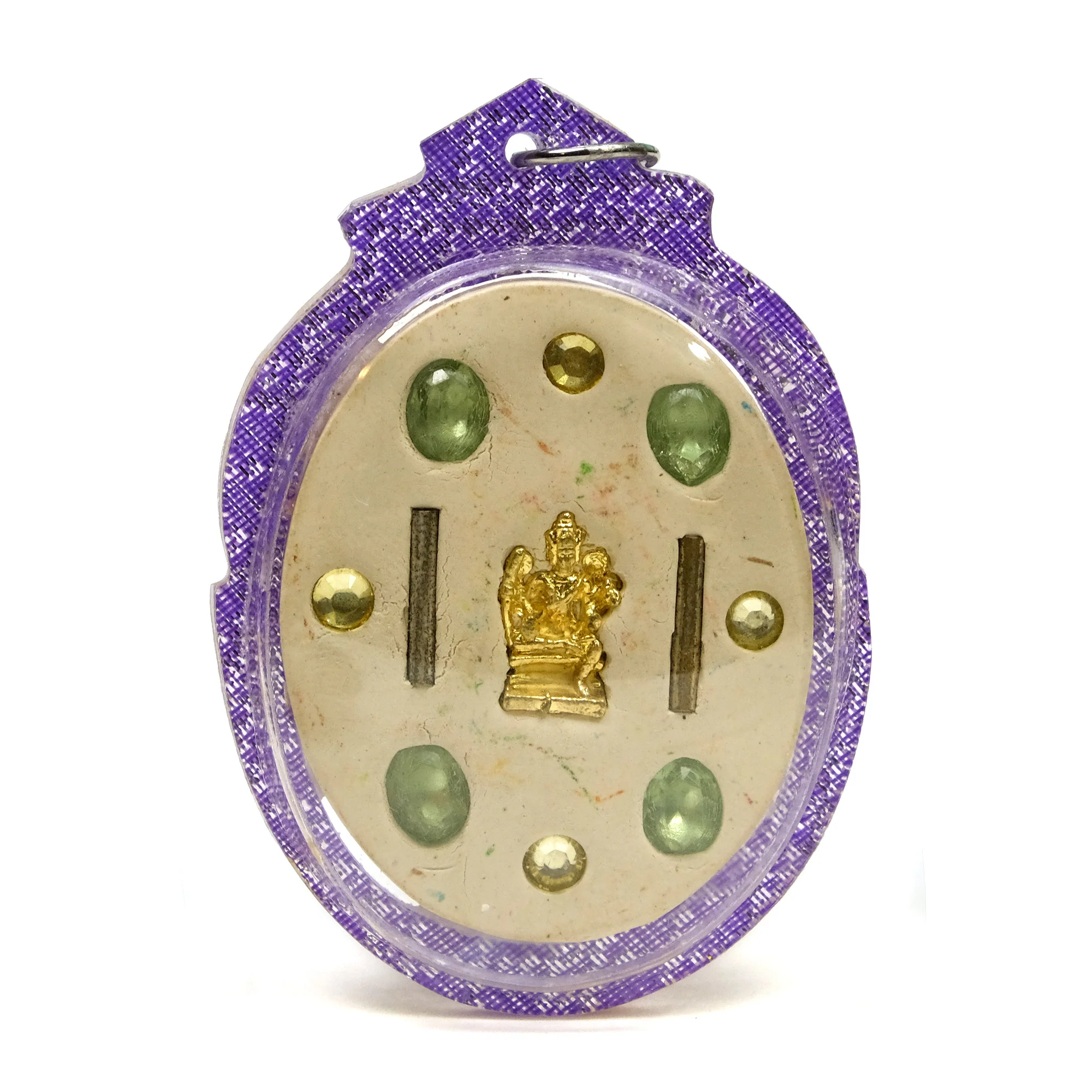
- Thai Spider Amulet, A
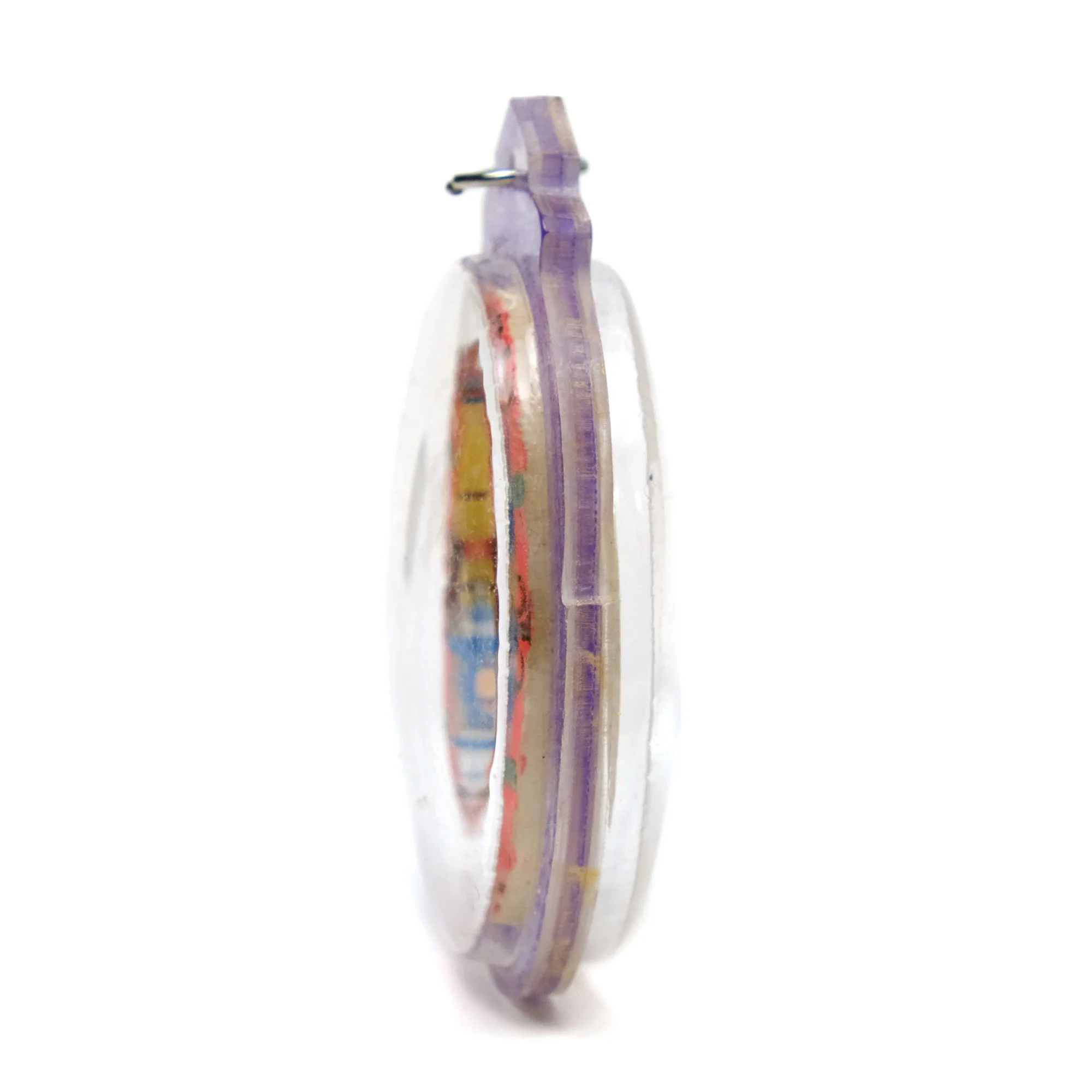
- Size Approx. 2.7" long x 1.9" wide x 0.8" thick
- In Thai culture and folklore, spiders generally represent positive omens, often signaling the arrival of new friends or unexpected good luck when walking into a web. They are associated with the thungใยแมงมุม (spider-web flag), a protective, sacred decoration used in northern Thailand and Isaan to ward off evil.
Spiders in Thai Mythology and Culture:
Good Omen: Walking into a spider's web is traditionally viewed as a sign that you will meet a new friend, similar to beliefs in other Asian cultures.
"Thung" Protective Symbol: Thungใยแมงมุม (spider-web thung) is a sacred, geometric object made from bamboo and thread, representing a web. Used in religious rituals, it is believed to trap or dispel evil spirits and negative energy.
Symbol of Karma/Connection: Within Buddhist-influenced traditions, the spider's web is sometimes viewed as a metaphor for the intricate connections, attachments, and karma that entangle beings in the cycle of life, reflecting the Buddhist concept of karma and the web of existence.
Mythical Hybridity: While not as ubiquitous as in Japanese jorōgumo folklore, some modern adaptations and local interpretations in Thailand have featured, or reimagined, hybrid creatures, such as a "four-eared, five-eyed" creature often connected to northern Thai tales, sometimes depicted with spider-like traits in contemporary art.
Contrast with Regional Folklore:
It is important to distinguish Thai folklore from Japanese, as Japanese, not Thai, lore includes the jorōgumo (a deadly, shape-shifting spider woman) or the tsuchigumo (ground spider).
Details & Craftsmanship
Every detail has been carefully considered to bring you the perfect product.
Details & Craftsmanship
Every detail has been carefully considered to bring you the perfect product.
Description
- Thai Spider Amulet, A
- Size Approx. 2.7" long x 1.9" wide x 0.8" thick
- In Thai culture and folklore, spiders generally represent positive omens, often signaling the arrival of new friends or unexpected good luck when walking into a web. They are associated with the thungใยแมงมุม (spider-web flag), a protective, sacred decoration used in northern Thailand and Isaan to ward off evil.
Spiders in Thai Mythology and Culture:
Good Omen: Walking into a spider's web is traditionally viewed as a sign that you will meet a new friend, similar to beliefs in other Asian cultures.
"Thung" Protective Symbol: Thungใยแมงมุม (spider-web thung) is a sacred, geometric object made from bamboo and thread, representing a web. Used in religious rituals, it is believed to trap or dispel evil spirits and negative energy.
Symbol of Karma/Connection: Within Buddhist-influenced traditions, the spider's web is sometimes viewed as a metaphor for the intricate connections, attachments, and karma that entangle beings in the cycle of life, reflecting the Buddhist concept of karma and the web of existence.
Mythical Hybridity: While not as ubiquitous as in Japanese jorōgumo folklore, some modern adaptations and local interpretations in Thailand have featured, or reimagined, hybrid creatures, such as a "four-eared, five-eyed" creature often connected to northern Thai tales, sometimes depicted with spider-like traits in contemporary art.
Contrast with Regional Folklore:
It is important to distinguish Thai folklore from Japanese, as Japanese, not Thai, lore includes the jorōgumo (a deadly, shape-shifting spider woman) or the tsuchigumo (ground spider).